Living with Steroid Dependence: UK Patient Guide
Managing chronic conditions often requires long-term steroid therapy. These medications are life-saving but can lead to physical dependence and other health risks. This guide provides UK-specific advice to help you understand, manage, and safely live with steroid dependence.
Understanding Steroid Therapy
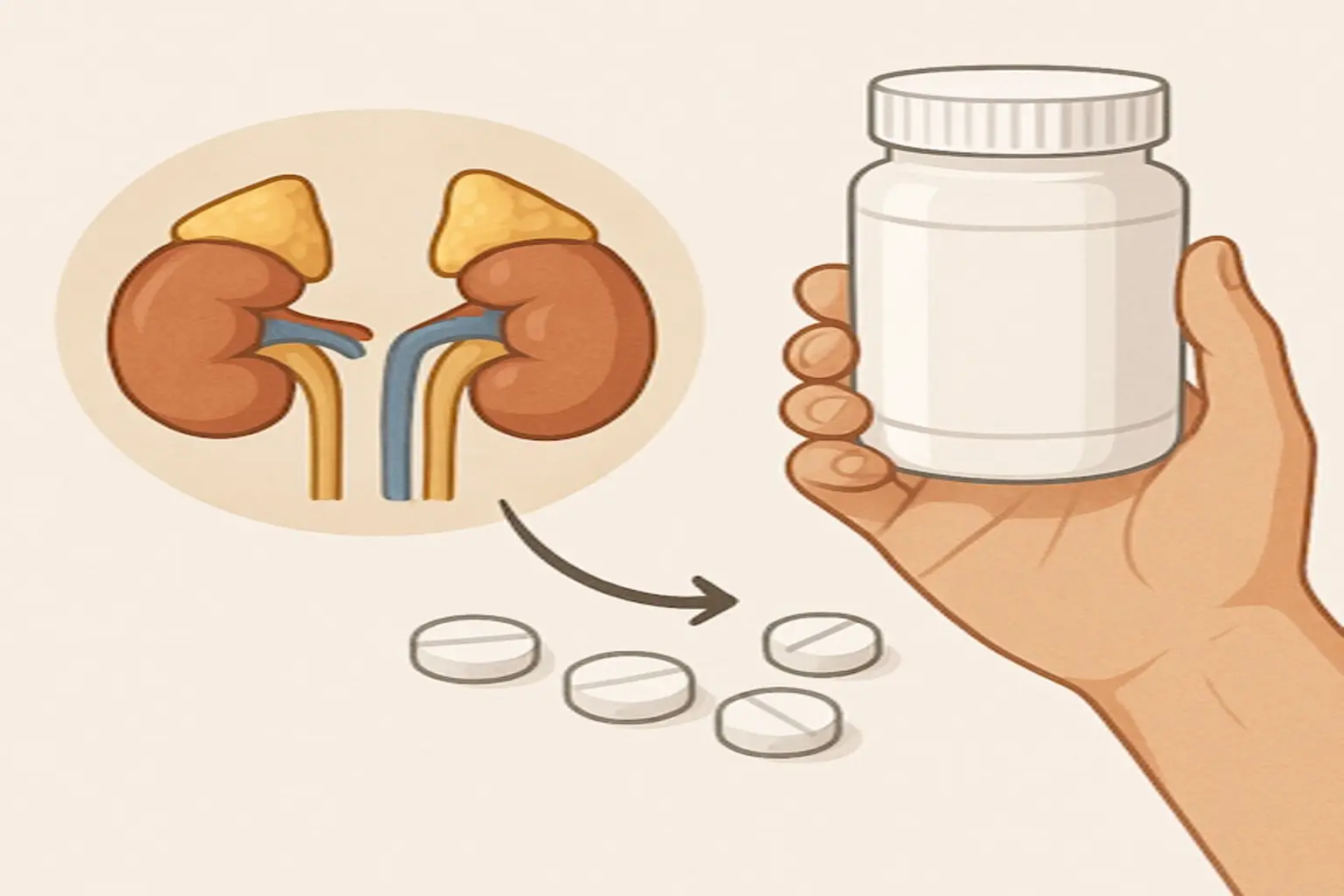
Steroids, particularly glucocorticoids like prednisolone and dexamethasone, mimic cortisol, a hormone naturally produced by the adrenal glands. They reduce inflammation and suppress the immune system.
Why long-term use can lead to dependence:
- The body’s natural cortisol production decreases (HPA axis suppression)
- Adrenal glands rely on the steroid medication
- Abrupt discontinuation can cause adrenal insufficiency, a serious condition (King’s College Hospital NHS)
✅ Tip: Physical dependence is a natural physiological response to long-term steroid use, not addiction.
Signs and Symptoms of Dependence
Dependence can manifest physically, emotionally, or cognitively.
Physical Signs
- Fatigue, especially in the mornings
- Muscle weakness or joint pain
- Unexplained weight changes
- Sensitivity to stress
- Discomfort when a dose is missed
Emotional and Cognitive Signs
- Mood swings, irritability, or anxiety
- Difficulty concentrating (“brain fog”)
- Feeling low or depressed when reducing the dose
✅ Tip: Keeping a symptom journal helps you and your healthcare provider monitor changes and adjust your treatment plan.
Risks and Complications
Adrenal Insufficiency
Abruptly stopping steroids can trigger adrenal insufficiency. Symptoms include:
- Severe fatigue or dizziness
- Nausea or vomiting
- Low blood pressure or fainting
- Confusion or rapid heartbeat
⚠️ The risk can last up to 12 months after your last dose (King’s College Hospital NHS)
Other Risks
- Bone thinning (osteoporosis)
- High blood sugar / diabetes risk
- Hypertension
- Increased infection risk
- Mood changes such as anxiety, depression, or sleep disturbances (NHS)
💡 Tip: Regular check-ups and lab tests are essential for early detection of complications.
Managing Steroid Dependence
Work Closely with Your Healthcare Provider
- Never stop or adjust doses on your own
- Discuss symptoms regularly
- Monitor adrenal function and overall health (NHS, Cheshire & Merseyside Formulary)
Tapering Schedules
Gradually reducing steroids allows adrenal glands to resume normal hormone production.
⚠️ Callout: Never stop steroids abruptly. Tapering safely under medical supervision is essential (NHS)
Tapering tips:
- Follow the schedule provided by your doctor
- Report new or worsening symptoms immediately
- Be patient; tapering may take weeks or months
Lifestyle Adjustments
- Nutrition: Adequate calcium and vitamin D for bone health
- Exercise: Weight-bearing exercises to strengthen bones
- Stress management: Relaxation, meditation, or yoga
- Sleep hygiene: Maintain a consistent sleep routine
Monitoring Health
- Keep a daily journal of symptoms and energy levels
- Share updates with your healthcare provider for personalized adjustments
Support and Resources
Helpful resources include:
- Patient support groups for long-term steroid therapy
- Educational websites on adrenal health and steroid management
- Mental health counseling to manage anxiety and mood swings
- Guidance for caregivers assisting with medication and monitoring (Cheshire & Merseyside Formulary)
✅ Tip: Community support can normalize your experience and provide practical coping strategies.
Conclusion
Living with steroid dependence is manageable with knowledge, planning, and support.
Key Takeaways:
- Dependence is physiological, not a weakness or addiction
- Gradual tapering under supervision prevents adrenal insufficiency
- Lifestyle adjustments improve overall well-being
- Regular communication with your healthcare team is essential
💪 Encouragement: With proper care and support, it’s possible to maintain your health, control symptoms, and live a full life while on long-term steroid therapy.
Leave a Reply
You must be logged in to post a comment.