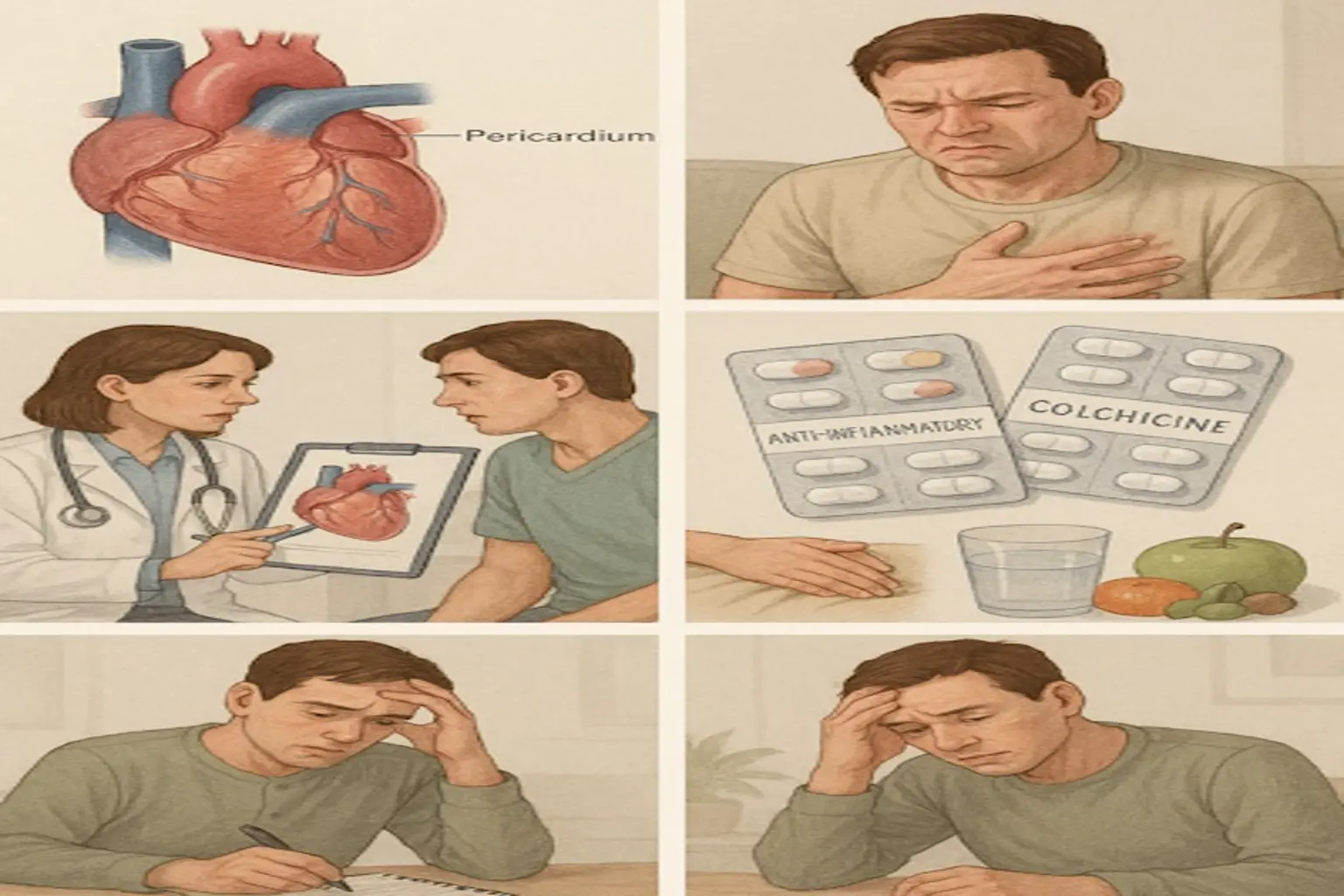
Acute pericarditis is a condition that often comes with sudden chest pain, fatigue, and uncertainty. Experiencing it firsthand has been a challenging journey, and I want to share my story to help others understand what living with acute pericarditis is like and how to manage recovery.
What is Acute Pericarditis?
Acute pericarditis is the inflammation of the pericardium — the thin sac surrounding the heart. It can be caused by viral infections, autoimmune conditions, or sometimes occur without a clear reason. Common symptoms include:
- Sharp chest pain that may worsen when lying down
- Shortness of breath
- Fatigue
- Low-grade fever
- Palpitations or a feeling of a racing heart
Early diagnosis and treatment are crucial to prevent complications.
My Symptoms and Diagnosis
My experience began with sudden chest pain and discomfort that didn’t feel like typical heartburn or muscle strain. After a visit to the doctor and some tests, including an ECG and blood work, I was diagnosed with acute pericarditis. The doctor explained the inflammation and prescribed medications to reduce inflammation and manage pain.
Treatment and Recovery
Treatment for acute pericarditis often involves:
- Anti-inflammatory medications such as NSAIDs
- Colchicine to reduce recurrence risk
- Rest and lifestyle adjustments to support recovery
Recovery can take several weeks, and it’s important to listen to your body. Pushing too hard too soon can prolong symptoms or trigger a flare-up.
Managing Daily Life
Living with acute pericarditis requires patience and planning. Here are some tips that helped me:
- Prioritize rest and avoid strenuous activities until cleared by your doctor
- Track your symptoms to notice patterns or triggers
- Stay hydrated and maintain a balanced diet to support healing
- Seek support from friends, family, or online communities for encouragement
Emotional Impact
Experiencing acute pericarditis isn’t just physical; it can be emotionally draining. Anxiety about heart health and uncertainty about recovery are normal. Talking openly with healthcare professionals and loved ones helps alleviate stress and improve well-being.
Key Takeaways
- Acute pericarditis is manageable with the right medical guidance
- Early diagnosis and adherence to treatment are critical
- Rest, symptom tracking, and support systems are essential for recovery
Living with acute pericarditis has taught me the importance of listening to my body, pacing myself, and valuing both physical and emotional health. If you are navigating this condition, know that recovery is possible, and you’re not alone.
Leave a Reply
You must be logged in to post a comment.