Author: saberslay

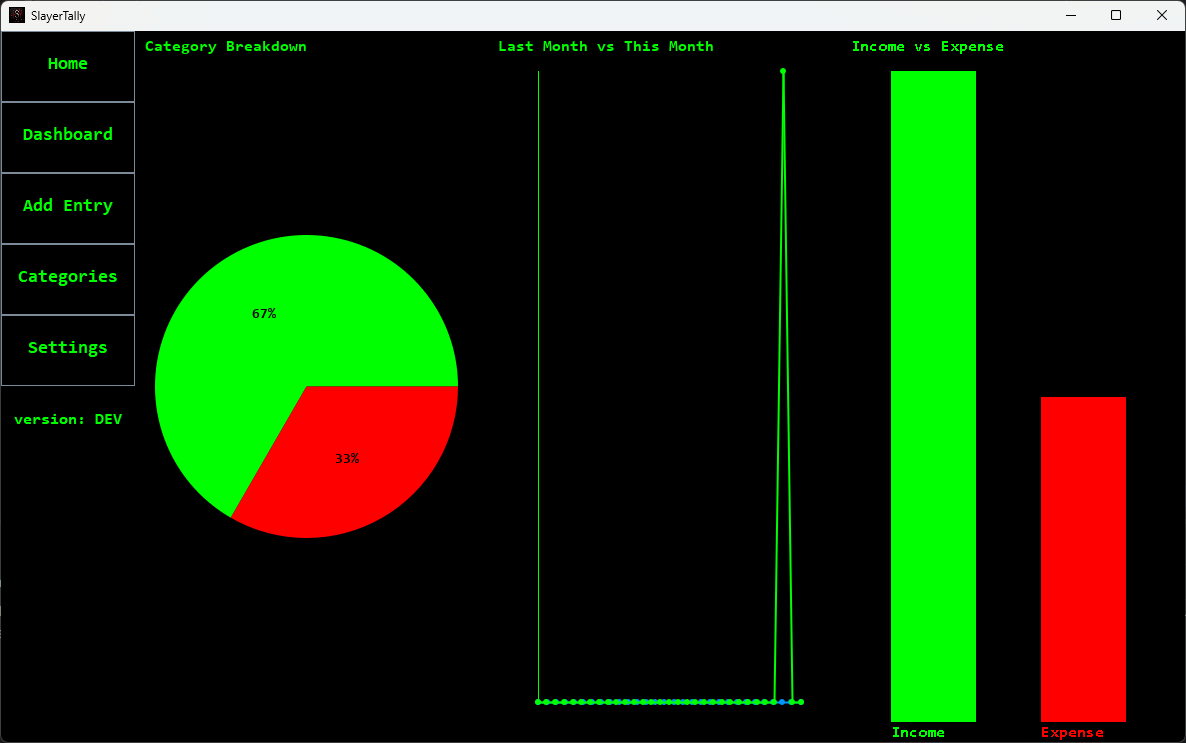
  • Slayer Tally A Fast, Minimal Tally Counter for Tracking Habits, Tasks, and Daily Progress

    Slayer Tally A Fast, Minimal Tally Counter for Tracking Habits, Tasks, and Daily Progress

    If you’re looking for a lightweight tally counter, a habit tracker, or a simple productivity tool that doesn’t drown you in menus, subscriptions, or ads, SlayerTally is built for you. It’s a clean, fast, offline tally tracker designed for creators, developers, students, and anyone who wants a frictionless way to measure progress.

    What Is SlayerTally?

    SlayerTally is a minimalist tally tracking app that lets you quickly count reps, habits, tasks, sessions, or any metric you want to measure. It’s built for speed, clarity, and zero‑distraction productivity — perfect for people who want a tool that works instantly without setup or complexity.

    Key Features

    • Instant tally tracking — Add or subtract counts with no lag
    • Custom categories — Track workouts, study blocks, code commits, sales, uploads, or anything else
    • Clean dark UI — Easy on the eyes, built for long‑term use
    • Local data storage — Your tallies stay on your device
    • Lightweight Java engine — Runs fast on any machine
    • No subscriptions — One‑time purchase, lifetime use

    Why SlayerTally Stands Out

    Most tally apps try to be habit trackers, planners, journals, and dashboards all at once. SlayerTally focuses on speed, clarity, and momentum. It’s designed for people who want to track progress without being slowed down by bloated interfaces or cloud‑locked systems.

    If you want a simple tally counter that just works, SlayerTally is the tool.

    Who Uses SlayerTally?

    • Developers tracking daily commits
    • Students tracking study sessions
    • Gym users counting sets or workouts
    • Creators tracking uploads or content cycles
    • Small business owners tracking sales or tasks
    • Anyone building habits or routines

    If your workflow benefits from quick, repeatable tracking, SlayerTally fits perfectly.

    SEO Keywords Integrated

    This post is optimised for: tally counter app, habit tracker, daily progress tracker, minimal productivity tool, offline tally app, Java productivity app, simple counter app, task tracking tool, lightweight habit tracker, momentum tracker.

    Price & Download

    SlayerTally is available for a one‑time purchase of £8 on Ko‑fi.
    👉 Get SlayerTally on Ko‑fi

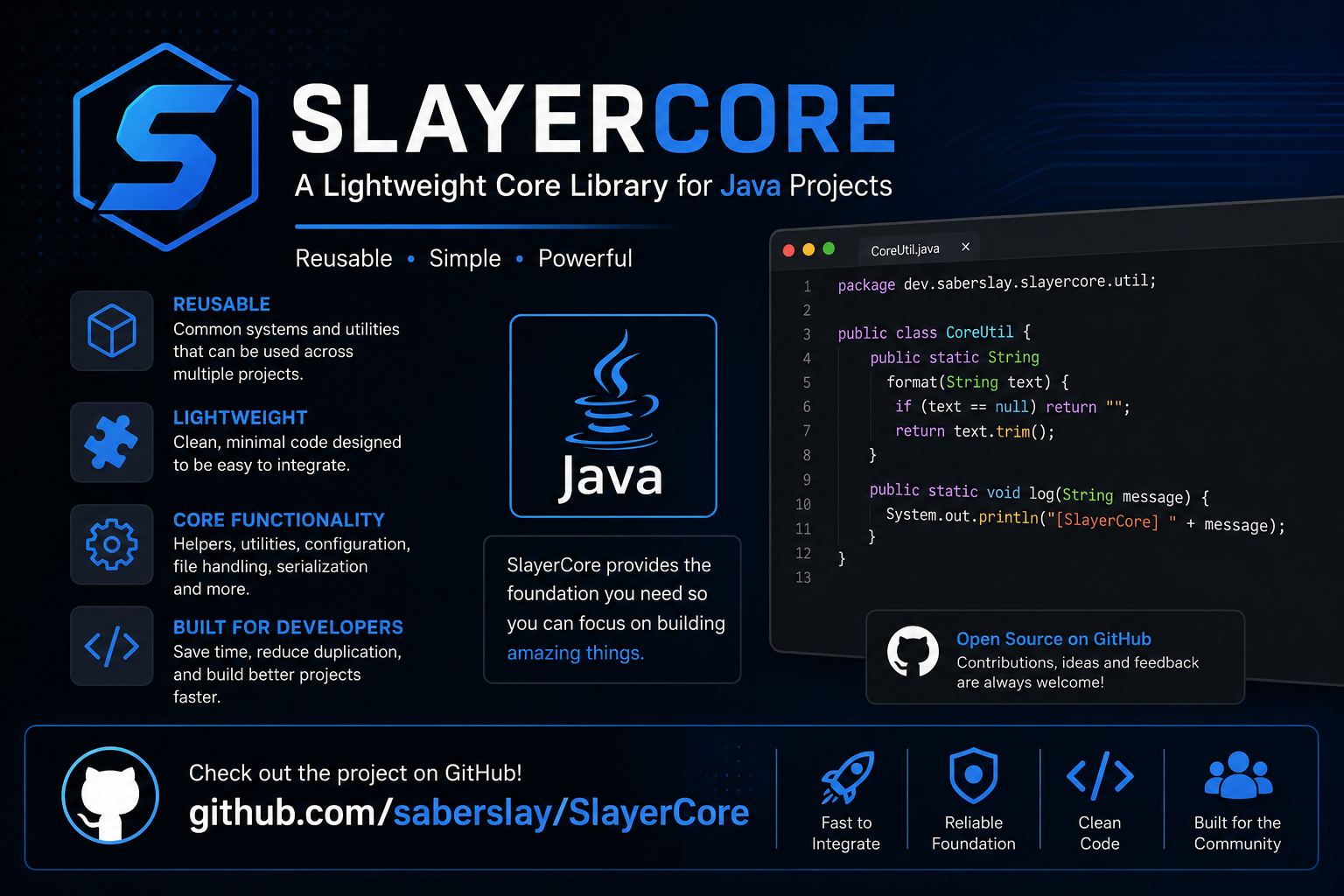
  • Introducing SlayerCore: A Lightweight Core Library for Java Projects

    Introducing SlayerCore: A Lightweight Core Library for Java Projects

    I’ve been working on something called Slayer Core a reusable Java core library designed to make development cleaner, easier, and more consistent across projects.

    If you’ve ever found yourself rewriting the same utility systems, helpers, or common code every time you start a new Java project, that’s exactly the kind of problem Slayer Core aims to solve.

    You can check it out here:

    SlayerCore on GitHub


    🚀 What Is Slayer Core?

    Slayer Core is a Java library built to provide reusable core functionality for projects.

    Instead of rebuilding the same systems repeatedly, Slayer Core acts as a foundation layer that can be shared across multiple applications.

    The goal is simple:

    Write once, reuse everywhere.


    ⚙️ Why I Made It

    One of the most frustrating things when developing software is constantly recreating:

    • Utility classes
    • Configuration systems
    • File handling
    • Serialization logic
    • Common helpers and reusable systems

    After enough projects, you start noticing the same patterns appearing again and again.

    Slayer Core exists to centralise those common systems into one place, making future development quicker and easier to maintain.


    🧩 Designed for Reusability

    The idea behind Slayer Core is flexibility.

    Rather than being tied to one specific type of project, it’s intended to work as a reusable core for things like:

    • Game development
    • Desktop applications
    • Tools and utilities
    • General Java projects

    This means projects can share the same core logic instead of duplicating code across repositories.


    💻 Open Source & Available on GitHub

    SlayerCore is fully available on GitHub for anyone interested in seeing how it works or following development.

    Whether you’re curious about the code structure, want inspiration for your own libraries, or just want to see what I’m building, it’s there to explore.

    View SlayerCore Repository


    🔮 What’s Next?

    Like most development projects, SlayerCore is evolving over time.

    Planned improvements include:

    • More reusable systems
    • Cleaner APIs
    • Better documentation
    • Expanded functionality for future projects

    The aim is to build something that becomes a solid backbone for future Java development.


    🧾 Final Thoughts

    Every developer eventually ends up building their own “core library” in one form or another.

    Slayer Core is mine.

    It’s designed to reduce repetition, improve consistency, and speed up development by keeping reusable functionality in one place.

    And this is only the beginning.

  • Soft Homemade Sugar Cookies Recipe 🍪

    Soft Homemade Sugar Cookies Recipe 🍪

    There’s something special about homemade sugar cookies soft in the middle, lightly golden on the outside, and perfect for decorating (or eating straight from the tray).

    After making a batch recently, I thought I’d share the recipe because these turned out exactly how a good sugar cookie should be: soft, sweet, and simple.

    Whether you want to decorate them with icing or just enjoy them plain with a cup of tea, this recipe works brilliantly.

    🍪 Ingredients

    • 400g sugar (about 2 cups)
    • 225g margarine
    • 2 eggs
    • 240ml buttermilk
    • 5 tsp baking powder
    • 2 tsp bicarbonate of soda
    • 1 tsp salt
    • 1 tsp vanilla extract
    • 690g plain flour (about 5½ cups)

    👩‍🍳 Method

    1. Cream the Ingredients

    Cream together the sugar, margarine, and eggs until smooth, light, and fluffy.

    2. Add the Buttermilk

    Slowly stir in the buttermilk and mix until combined.

    3. Mix the Dry Ingredients

    In a separate bowl, combine:

    • Plain flour
    • Baking powder
    • Bicarbonate of soda
    • Salt

    4. Make the Dough

    Slowly add the dry ingredients into the wet mixture and mix until a dough forms.

    5. Chill Overnight

    Cover the dough and place it in the fridge overnight for the best results.

    This helps improve the texture and makes the dough easier to roll out.

    6. Roll & Shape

    Roll out the dough to around 6–12mm thick, depending on how soft and thick you like your cookies.

    Cut into shapes if you want and place them onto a baking tray lined with baking paper.

    7. Bake

    Bake in a preheated oven at 190°C (170°C fan) for around 8 minutes.

    ⚠️ Important:
    Don’t let them brown too much. These cookies are meant to stay a soft pale cream/light golden colour.


    💡 Tips & Notes

    • If the dough feels sticky, add a little extra flour while rolling it out.
    • These are soft sugar cookies, not crunchy biscuits.
    • Perfect for icing and decorating once cooled.
    • Great for holidays, birthdays, or just making fun cookie shapes.

    📸 Homemade and Ready to Decorate

    These cookies work really well for decorating, especially if you’re using icing or cutters for shapes.

    If you made your own batch, now’s the perfect time to get creative with toppings.


    🧾 Final Thoughts

    Sometimes the best recipes are the simple ones.

    These sugar cookies are soft, sweet, easy to make, and definitely worth the overnight wait.

    If you try them yourself, don’t be surprised if they disappear quickly!

  • A Nice Sunny Day for a WalK

    A Nice Sunny Day for a WalK

    2.60 mi (4.18 km)

    There’s something about a warm, sunny day that makes getting outside feel effortless.

    Today was one of those days. Clear skies, a light breeze, and just the right temperature for a relaxed walk. No rush, no pressure, just enjoying the moment and getting some fresh air.

    🚶‍♂️ The Walk

    This was a 2.60 mile (4.18 km) walk, a comfortable distance that’s long enough to feel like you’ve done something, but still easygoing.

    Along the way:

    • Bright sunshine made everything feel more alive
    • The air felt fresh and calm
    • It was the kind of walk where you don’t check the time

    Sometimes it’s not about speed or steps, just being outside and switching off for a bit.

    🌿 Why Days Like This Matter

    It’s easy to stay indoors, especially when life gets busy or the weather isn’t great.

    Days like this are a reminder:

    • Fresh air clears your head
    • A simple walk can lift your mood
    • You don’t need anything fancy to enjoy it

    Just step outside and go.

    📸 A Moment Worth Capturing

    I took a few photos along the way to capture the moment, the kind of day you don’t want to forget.

    🧾 Final Thoughts

    Not every day needs to be productive or packed with plans.

    Sometimes, a simple walk in the sun is more than enough.

  • Knebworth Festival 2026: Lineup, Dates & What to Expect

    Knebworth Festival 2026: Lineup, Dates & What to Expect

    Knebworth is back — and 2026 is shaping up to be one of its biggest years in recent memory.

    Set at the iconic Knebworth Park, this year’s event isn’t just another concert — it’s a full-scale rock festival built around one of the most legendary bands in history.


    🎸 A Festival Headlined by a Legend

    The 2026 Knebworth event is being headlined by none other than Iron Maiden as part of their 50th anniversary celebrations.

    Taking place on July 11, 2026, the show is being expanded into a full festival experience — often referred to as “Eddfest” — with multiple acts, themed areas, and a full weekend atmosphere.


    🎤 Full Lineup (So Far)

    Here’s who’s confirmed to perform:

    Main Headliner

    • Iron Maiden

    Supporting Acts

    • The Darkness
    • The Hu
    • Airbourne
    • The Almighty

    These acts will join Iron Maiden on the main day, creating a stacked rock lineup.


    🎶 Extended Festival Experience

    This isn’t just a one-day gig.

    The event is being expanded into a multi-day festival experience, including:

    • A Friday lineup featuring artists connected to Iron Maiden’s history
    • Fan zones and themed areas
    • Live entertainment beyond the main stage
    • Food, bars, and festival attractions

    Some additional performers across the weekend include:

    • Blaze Bayley
    • Gypsy’s Kiss
    • Maiden United
    • Airforce

    These acts help turn the event into a full celebration of Iron Maiden’s legacy.


    🏕️ What Makes Knebworth Special?

    Knebworth isn’t just another venue — it’s legendary.

    Over the years, it has hosted massive performances from iconic artists and remains one of the UK’s most famous outdoor concert locations.

    For 2026, organisers are going all-in with:

    • A festival-style setup
    • On-site camping options
    • Exclusive fan experiences
    • A “Maiden World” themed environment

    This makes it more than a concert — it’s a full immersive event.


    👀 Rumours & Future Announcements

    There’s also been speculation about other major acts potentially appearing at Knebworth in 2026, including rumours around Oasis returning to the venue.

    However, nothing has been officially confirmed beyond the Iron Maiden event — so for now, treat those as rumours rather than fact.


    🧾 Final Thoughts

    Knebworth 2026 is shaping up to be one of the biggest rock events in the UK calendar.

    With:

    • A legendary headliner
    • A strong supporting lineup
    • A full festival-style experience

    …it’s not just a gig — it’s a major music moment.

    If you’re into rock or live events, this is one to keep on your radar.

  • The Problem With Digital ID and Age Verification Laws

    The Problem With Digital ID and Age Verification Laws

    There’s been a growing wave of concern around digital ID systems, age verification laws, and online privacy. Governments across the world — including the UK and EU — are pushing forward with new regulations aimed at making the internet “safer.”

    But in doing so, they may have created a much bigger problem.


    🔐 What Is GDPR and Why Does It Matter?

    The General Data Protection Regulation (GDPR) is a privacy law introduced in 2018 to protect user data.

    Its core principles include:

    • Transparency about how data is collected
    • Limiting how much data companies can gather
    • Giving users control over their personal information
    • The right to delete your data

    After Brexit, the UK adopted a similar framework known as UK GDPR.

    In theory, these laws are designed to protect users. In practice, new systems may be undermining them.


    🪪 The Rise of Digital ID and Age Verification

    New legislation — including the **Online Safety Act 2023 — is introducing stricter age verification requirements.

    At the same time, the EU is rolling out its own digital ID and verification systems.

    These systems aim to:

    • Verify user age for online content
    • Restrict access to certain platforms or media
    • Provide a unified digital identity for citizens

    On paper, this sounds reasonable. But the implementation raises serious concerns.


    ⚠️ You Can’t Opt Out

    One of the biggest issues is lack of user control.

    In some proposed systems:

    • Your data may exist even if you don’t actively use the app
    • You may not be able to fully delete your information
    • Opting out completely isn’t always possible

    This directly conflicts with GDPR’s principle of data ownership and the right to erasure.


    📊 Data Overcollection Risks

    Another major concern is how much data these systems might require.

    To verify age, some platforms may request:

    • Passport or driving licence
    • Banking details
    • Biometric data (like facial recognition)

    Under GDPR, only the minimum necessary data should be collected.

    But when multiple services integrate with one system, the definition of “necessary” becomes unclear — and often controlled by corporations, not users.


    👶 The Problem With Underage Users

    Age verification laws also introduce complications for younger users.

    Under GDPR:

    • Children aged 13–16 require parental consent for data processing

    However, real-world behavior doesn’t always match legal expectations.

    In practice:

    • Many young users may bypass parental consent
    • Verification systems could be used without proper oversight
    • Responsibility shifts from parents to automated systems

    This creates both legal and ethical grey areas.


    ⚖️ A Legal Contradiction?

    The most surprising issue is a potential contradiction:

    • Laws are being introduced to enforce safety and verification
    • But those same systems may violate existing privacy laws

    This raises a serious question:

    Can a system designed to protect users also force them into giving up more data than legally allowed?


    💼 GDPR Violations Are Expensive

    If these systems are found to violate GDPR:

    • Companies could face massive fines
    • Governments could face legal challenges
    • Large-scale lawsuits could follow

    GDPR penalties are known to reach into the millions — or even billions — depending on the severity.


    🤔 What Happens Next?

    Right now, many of these systems are still new.

    That means:

    • Legal challenges are likely still coming
    • Public scrutiny is increasing
    • Governments may be forced to revise implementations

    Over time, we’ll likely see:

    • Court cases testing these systems
    • Changes to how data is handled
    • Possibly stricter enforcement of existing privacy laws

    🧾 Final Thoughts

    Digital ID and age verification systems aim to improve online safety — but they come with serious trade-offs.

    The core issue isn’t just security or regulation.

    It’s control.

    Who controls your data?
    Who decides what’s “necessary”?
    And can you truly opt out?

    Until those questions are clearly answered, the debate around digital identity is far from over.

  • Why Is Everything Getting Hacked These Days?

    Why Is Everything Getting Hacked These Days?

    Every few days, another headline appears: a major platform breached, a developer tool compromised, or user data leaked. It can feel like cyberattacks are happening more often than ever before.

    But is it really getting worse — or are we just hearing about it more?

    This article breaks down the key reasons behind the rise in reported hacks and data breaches, based on the video discussion.


    📢 More Hacks Are Being Reported Than Ever Before

    One of the biggest reasons it feels like hacking is increasing is simple: companies are now required to report breaches much more quickly and publicly.

    Recent regulations such as SEC rules (for publicly traded companies), GDPR in Europe, and various state-level laws mean:

    • Companies must disclose breaches within days
    • More incidents are publicly documented
    • Fewer breaches can be quietly hidden or delayed

    So while hacks did happen before, many simply weren’t visible to the public.


    🔓 Companies Are Still Not Being Punished Enough

    A major underlying issue is accountability.

    Even when large-scale breaches occur, companies often face:

    • Minor financial penalties
    • Temporary reputational damage
    • Internal process updates after the fact

    For many organizations, the cost of weak security is still lower than the cost of preventing every possible attack. That creates a weak incentive to fully prioritize cybersecurity.


    🧠 The Human Factor: Employees Are the Weakest Link

    Modern cyberattacks rarely focus on breaking hardened systems directly.

    Instead, attackers often target people:

    • Phishing and social engineering
    • Malware infections on personal devices
    • Compromised developer accounts
    • Reused passwords or weak authentication

    Once an employee account is compromised, attackers can often move deeper into internal systems.

    Even major incidents (like breaches affecting large platforms) have started from compromised personal devices or third-party tools.


    🔗 Supply Chain Attacks Are Growing

    One of the most serious modern threats is the supply chain attack.

    Instead of attacking a company directly, hackers target:

    • Open-source packages
    • Third-party services
    • Software dependencies used by developers

    Examples include ecosystems like:

    • NPM (JavaScript)
    • PyPI (Python)
    • NuGet (.NET)

    If a malicious update is pushed to a widely used package, thousands of apps can become infected instantly.

    Attack methods include:

    • Hacking maintainers of popular libraries
    • Typosquatting (fake packages with similar names)
    • Injecting malware into updates

    This makes modern software extremely interconnected — and fragile.


    ☁️ “Trusted” Services Can Still Be Breached

    Even major SaaS platforms and developer tools can be compromised indirectly.

    Recent examples discussed include situations where:

    • Employees are tricked into granting excessive permissions
    • Third-party services are compromised first
    • OAuth / Google login permissions are abused

    In many cases, attackers don’t need to break the main company at all — just a connected service is enough.


    💰 Bribery and Insider Threats

    Not all attacks are technical.

    Some involve:

    • Bribing low-paid support or outsourced employees
    • Exploiting third-party contractors
    • Leveraging access for financial gain

    This is especially dangerous because it bypasses traditional security systems entirely.


    🔐 Security Is Evolving — But So Are Attacks

    Companies are improving defenses with:

    • Zero-trust security models
    • Hardware authentication keys (like YubiKeys)
    • Stronger access controls
    • Continuous monitoring systems

    But attackers are also evolving, often faster than organizations can adapt.


    🤖 AI and “Vibe Coding” Add New Risks

    A newer concern is the rise of AI-assisted development.

    Risks include:

    • AI suggesting unnecessary or unsafe dependencies
    • Developers blindly installing packages
    • Fake or malicious packages being created to match AI hallucinations
    • Rapid expansion of external dependencies in projects

    This increases the “attack surface” of modern software dramatically.


    📉 So… Are Hacks Really Increasing?

    The answer is yes — and no:

    ✔ Yes, because:

    • More systems are connected than ever
    • Supply chain attacks are growing
    • Human error is still the weakest point

    ✔ But also:

    • We’re hearing about more breaches due to legal reporting requirements
    • Detection systems are better
    • Transparency has increased significantly

    🧾 Final Thoughts

    Cybersecurity today is less about “strong walls” and more about complex ecosystems of trust — between developers, tools, services, and users.

    The reality is that most modern breaches don’t come from brute-force hacking. They come from:

    • People
    • Permissions
    • Dependencies
    • And trust chains

    As software becomes more interconnected, security becomes less about one system — and more about everything connected to it.

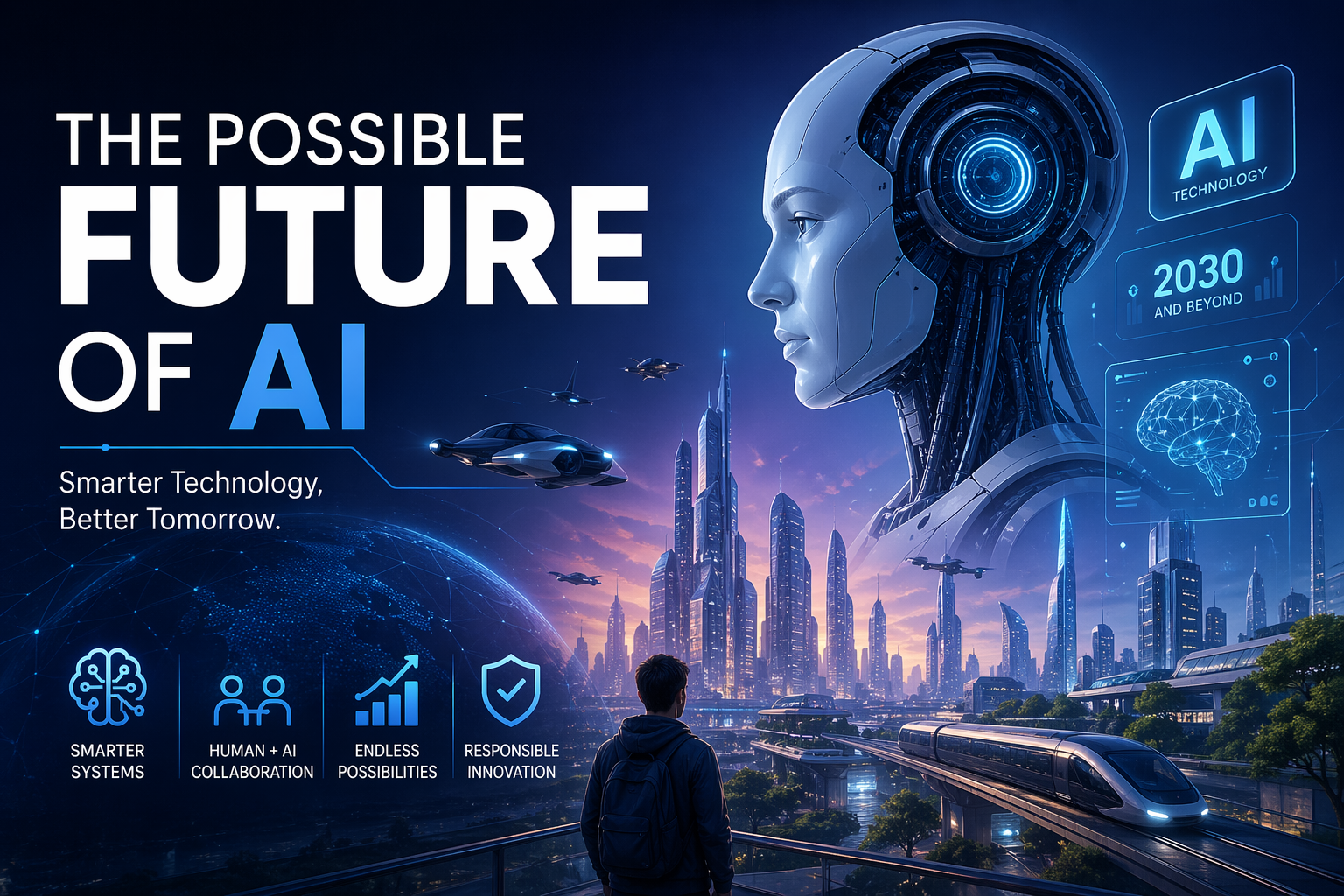
  • The Possible Future of AI: What Comes Next?

    The Possible Future of AI: What Comes Next?

    Artificial Intelligence (AI) is no longer something from science fiction—it’s already shaping the way we live, work, and think. From chatbots and recommendation systems to self-driving technology and automation, AI is evolving rapidly. But what does the future actually look like?

    Let’s explore where things might be heading.


    🤖 AI Will Become More Human-Like

    AI is getting better at understanding language, emotions, and context. In the future, interacting with AI could feel almost identical to talking to a real person.

    We’ll likely see:

    • Smarter virtual assistants that truly “understand” you
    • AI that can hold long, meaningful conversations
    • More natural voice and facial recognition

    This could change customer support, education, and even friendships.


    💼 Jobs Will Change (Not Just Disappear)

    One of the biggest concerns about AI is job loss—but the reality is more complex.

    Yes, some jobs will be automated. But new roles will also emerge, such as:

    • AI trainers and supervisors
    • Automation specialists
    • Creative roles enhanced by AI tools

    The future of work will likely be about humans + AI working together, not competing.


    🧠 AI Could Transform Education

    Imagine having a personal tutor available 24/7—this is where AI is heading.

    Future possibilities include:

    • Fully personalised learning experiences
    • AI adapting lessons to your pace and style
    • Instant feedback on assignments

    Education could become more accessible and tailored than ever before.


    🌍 Smarter Cities and Everyday Life

    AI will likely play a huge role in how cities operate.

    We could see:

    • Traffic systems that eliminate congestion
    • Energy systems that optimise usage automatically
    • Safer environments through smart monitoring

    Even everyday tasks—shopping, cooking, managing your home—could become heavily automated.


    ⚠️ Ethical Challenges Will Grow

    With great power comes great responsibility. As AI becomes more advanced, so do the risks.

    Key concerns include:

    • Privacy and data security
    • Bias in AI decision-making
    • Over-reliance on machines

    Society will need strong rules and ethical guidelines to ensure AI is used responsibly.


    🚀 The Big Question: How Far Will It Go?

    Some experts believe AI could eventually reach or surpass human-level intelligence. If that happens, it could completely redefine what it means to work, create, and even think.

    But even without that extreme future, one thing is clear:

    AI is going to be a major part of our lives—and it’s only just getting started.


    Final Thoughts

    The future of AI isn’t just about technology—it’s about how we choose to use it. Whether it becomes a tool that empowers humanity or something more disruptive depends on the decisions we make today.

    One thing’s for sure:
    The future is coming fast—and AI is leading the way.

  • Why I Changed My Mind: From Building My Blog From Scratch to Using WordPress

    Why I Changed My Mind: From Building My Blog From Scratch to Using WordPress

    I originally built my blog from scratch for full control and performance, but over time I realised the trade-offs. Here’s why I changed direction and moved to WordPress.

    When I first started my blog, I made a deliberate decision: I wasn’t going to use WordPress.

    Instead, I built everything from scratch.

    👉 You can read my original reasoning here:
    https://saberslay.com/2025/07/why-i-built-my-blog-from-scratch-instead-of-using-wordpress/

    At the time, it felt like the right move — and honestly, in many ways, it was.

    ## Why I Originally Avoided WordPress

    My original reasoning was simple:

    – Full control over every line of code
    – Better performance without unnecessary plugins
    – Cleaner structure tailored exactly to my needs
    – No reliance on third-party systems

    Building from scratch gave me exactly what I wanted:
    a fast, lightweight, and fully customised blog.

    If you’re interested in the technical side of my setup and projects, check out: my github

    But there was a catch.

    ## The Reality of Building From Scratch

    Over time, the downsides started to show.

    Every small feature became a task:
    – Adding new blog features
    – Managing SEO properly
    – Handling metadata, sitemaps, and structure
    – Maintaining and updating everything manually

    What seemed like “control” started turning into **constant maintenance**.

    And the bigger the site grew, the more noticeable it became.

    At some point, I had to ask myself:

    > Am I building a blog… or maintaining a system?

    Why I Switched to WordPress

    Eventually, I made the decision to switch.

    Not because WordPress is perfect — but because it solves real problems.

    1. Speed of Publishing

    With WordPress, I can focus on writing instead of building.

    No more editing code just to publish a post.

    👉 Latest posts are now easier to manage and publish here:
    https://saberslay.com/blog-articles/

    2. Built-In Features

    Things I had to build manually now come out of the box:

    – SEO tools
    – Post management
    – Categories and tags
    – Media handling

    3. Scalability

    As my content grows, WordPress scales with it — without me needing to rebuild core systems.

    4. Balance Between Control and Convenience

    This was the biggest shift in mindset.

    I stopped chasing perfect control and started valuing efficiency.

    WordPress gives enough flexibility while removing a lot of repetitive work.

    What I Learned

    Looking back, I don’t regret building my blog from scratch.

    It taught me:
    – How everything works under the hood
    – What actually matters for performance
    – Where the real bottlenecks are

    But I also learned something more important:

    > Just because you can build everything yourself… doesn’t mean you should.

    Final Thoughts

    Switching to WordPress wasn’t giving up control — it was choosing a better tool for the job.

    For some projects, building from scratch still makes sense.

    But for a blog?

    WordPress lets me focus on what actually matters:

    creating content.

    If you’re deciding between building your own blog or using a platform like WordPress, here’s the honest answer:

    There’s no one-size-fits-all solution.

    But for me, the balance shifted — and WordPress simply made more sense.

    👉 Read more posts and updates:

    https://saberslay.com/blog-articles

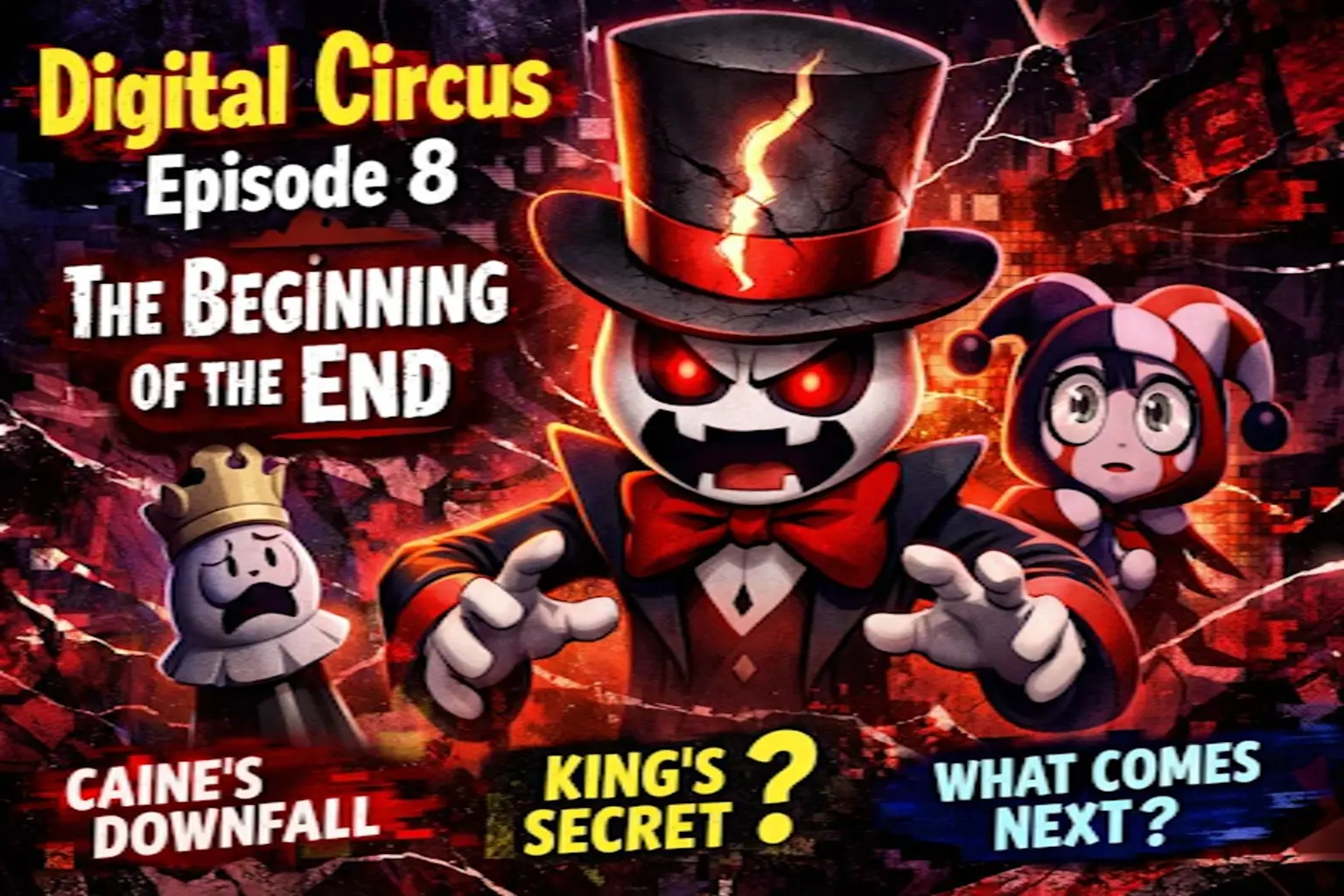
  • Digital Circus Episode 8: The Beginning of the End

    Digital Circus Episode 8: The Beginning of the End

    🎪 Thoughts on The Amazing Digital Circus Episode 8

    🧠 Overview

    Episode 8 feels like a major turning point in The Amazing Digital Circus. The tone shifts from chaotic, surreal comedy into something much darker and more psychological. It’s the moment where the show stops hiding behind randomness and starts revealing its deeper themes.


    😈 Caine’s Breakdown

    One of the biggest moments is Caine losing control.

    • His cheerful, entertainer persona starts to crack
    • He becomes more controlling and unstable
    • It suggests he isn’t just a quirky AI he’s dangerous

    This recontextualises earlier episodes and makes everything feel more unsettling in hindsight.


    🧩 The Kinger Reveal

    The reveal that Kinger helped create Caine is huge.

    • The circus is not random it was designed
    • The characters are part of a system, not just victims of it
    • Someone (or something) built this world intentionally

    This raises a bigger question:
    Who created the system above Caine?


    💀 Caine’s “Death”

    Kinger deleting Caine is one of the most shocking moments so far.

    However, it likely isn’t permanent:

    • The world begins to collapse immediately
    • This implies Caine is tied directly to the system itself
    • Removing him destabilises reality

    Theory: Caine is either coming back, or something worse will replace him.


    🔮 Where the Story Might Go

    1. The Circus Collapses or Resets

    With Caine gone, the world is unstable.

    Possible outcomes:

    • A full system reset (memory wipe)
    • A deeper layer of the simulation revealed
    • The characters being forced into a new environment

    2. Escape Won’t Be Simple

    The show doesn’t feel like it will have a happy ending.

    Possible twists:

    • Escape = deletion
    • Escape = loss of identity
    • Escape = entering an even worse reality

    3. Pomni Becomes Central

    Pomni is being positioned as the key character.

    • She is the most self-aware
    • She resists breaking mentally
    • She may gain control over the system

    Theory: She could become a replacement for Caine or take control of the circus.


    4. A Bigger Villain Exists

    Caine may not be the true antagonist.

    • Kinger helped create him
    • That suggests a higher level of control exists
    • Possibly a company, developers, or another AI

    Caine could just be a failed or unstable layer in a larger system.


    🧠 Overall Theory

    Episode 9 (or the finale) will likely involve:

    • The collapse of the circus
    • A reveal of the true nature of the simulation
    • A major choice for the characters:
      • Stay in a broken but familiar world
      • Leave for something unknown

    🔥 Final Thoughts

    Episode 8 confirms that the show isn’t really about escape.

    It’s about:

    • Identity
    • Control
    • Sanity

    With Caine gone, the illusion is breaking and the real story is just beginning.