Category: Uncategorised

  • Barking: The East London Town Growing Into Something Big

    Barking: The East London Town Growing Into Something Big

    Barking, my hometown, is one of those places that often surprises people. On the surface, it’s a busy East London hub with trains rushing in and out, new buildings rising every year, and a diverse mix of people going about their day. But look a little closer, and you’ll find a town filled with history, character, and a community spirit that makes it feel like home.


    A Town With Deep Roots

    Long before it became part of Greater London, Barking was a fishing and farming village. The famous Barking Abbey, founded in the 7th century, once stood at the heart of the community and played a huge role in the area’s religious and cultural life. Today, the Abbey ruins remain a peaceful green space—and a reminder that Barking has been important for over 1,000 years.


    Regeneration That’s Transforming the Area

    Modern Barking is changing fast. The last decade brought major developments like:

    • Barking Riverside, one of Europe’s largest housing projects
    • New shops, cafés, and public spaces in Barking Town Centre
    • Major improvements to transport links, including the Overground extension and the new Barking Riverside Station

    The town is shifting from “up-and-coming” to “arriving,” attracting young families, artists, and professionals.


    Diverse, Vibrant & Full of Life

    One of Barking’s strongest qualities is its multicultural community. Walk through the town centre and you’ll hear languages from around the world, smell incredible food from different cultures, and see people of all backgrounds living together. It’s busy, colourful, and full of energy.


    Green Spaces That People Love

    Despite its urban feel, Barking has plenty of places to unwind:

    • Barking Park with its lake and mini train
    • Central Park for sports and community events
    • Riverside walking paths along the Thames

    These spaces give the town a breath of fresh air and a place to relax.


    Local Landmarks & Hidden Gems

    Barking also has a few spots locals know and love:

    • The Barking Learning Centre for courses, books, events, and community support
    • Eastbury Manor House, a preserved Tudor mansion full of history
    • The Broadway Theatre, hosting music, comedy, drama, and local performances

    Each adds to the rich character of Barking.


    A Place That Feels Like Home

    For many who grew up here, Barking is more than a postcode. It’s memories of school runs, market days, food spots, bus rides, and familiar faces. It’s a place that’s constantly evolving, yet still deeply rooted in community.


    Looking Ahead

    With new developments, rising investment, and a growing population, Barking’s future is full of potential. It’s not perfect—no town is—but it’s moving in an exciting direction. And for those who call it home, there’s a real sense of pride watching it grow.
  • Living with Acute Pericarditis: My Experience and Recovery

    Living with Acute Pericarditis: My Experience and Recovery

    Acute pericarditis is a condition that often comes with sudden chest pain, fatigue, and uncertainty. Experiencing it firsthand has been a challenging journey, and I want to share my story to help others understand what living with acute pericarditis is like and how to manage recovery.

    What is Acute Pericarditis?

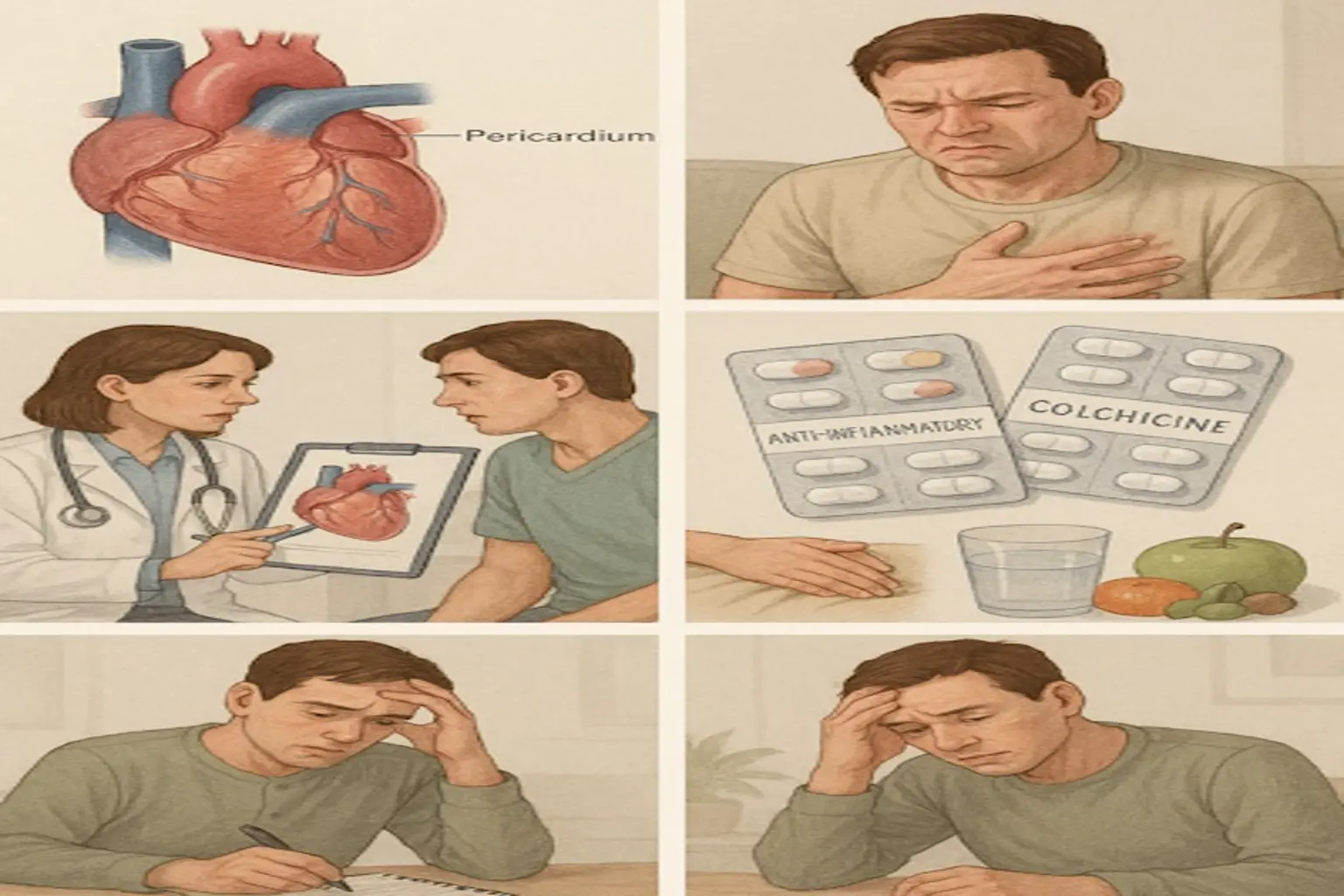
    Acute pericarditis is the inflammation of the pericardium — the thin sac surrounding the heart. It can be caused by viral infections, autoimmune conditions, or sometimes occur without a clear reason. Common symptoms include:

    • Sharp chest pain that may worsen when lying down
    • Shortness of breath
    • Fatigue
    • Low-grade fever
    • Palpitations or a feeling of a racing heart

    Early diagnosis and treatment are crucial to prevent complications.

    My Symptoms and Diagnosis

    My experience began with sudden chest pain and discomfort that didn’t feel like typical heartburn or muscle strain. After a visit to the doctor and some tests, including an ECG and blood work, I was diagnosed with acute pericarditis. The doctor explained the inflammation and prescribed medications to reduce inflammation and manage pain.

    Treatment and Recovery

    Treatment for acute pericarditis often involves:

    • Anti-inflammatory medications such as NSAIDs
    • Colchicine to reduce recurrence risk
    • Rest and lifestyle adjustments to support recovery

    Recovery can take several weeks, and it’s important to listen to your body. Pushing too hard too soon can prolong symptoms or trigger a flare-up.

    Managing Daily Life

    Living with acute pericarditis requires patience and planning. Here are some tips that helped me:

    • Prioritize rest and avoid strenuous activities until cleared by your doctor
    • Track your symptoms to notice patterns or triggers
    • Stay hydrated and maintain a balanced diet to support healing
    • Seek support from friends, family, or online communities for encouragement

    Emotional Impact

    Experiencing acute pericarditis isn’t just physical; it can be emotionally draining. Anxiety about heart health and uncertainty about recovery are normal. Talking openly with healthcare professionals and loved ones helps alleviate stress and improve well-being.

    Key Takeaways

    • Acute pericarditis is manageable with the right medical guidance
    • Early diagnosis and adherence to treatment are critical
    • Rest, symptom tracking, and support systems are essential for recovery

    Living with acute pericarditis has taught me the importance of listening to my body, pacing myself, and valuing both physical and emotional health. If you are navigating this condition, know that recovery is possible, and you’re not alone.

  • Living with Steroids: My Experience and Long-Term Therapy Guide

    Living with Steroids: My Experience and Long-Term Therapy Guide

    Living with Steroid Dependence: UK Patient Guide

    Managing chronic conditions often requires long-term steroid therapy. These medications are life-saving but can lead to physical dependence and other health risks. This guide provides UK-specific advice to help you understand, manage, and safely live with steroid dependence.


    Understanding Steroid Therapy

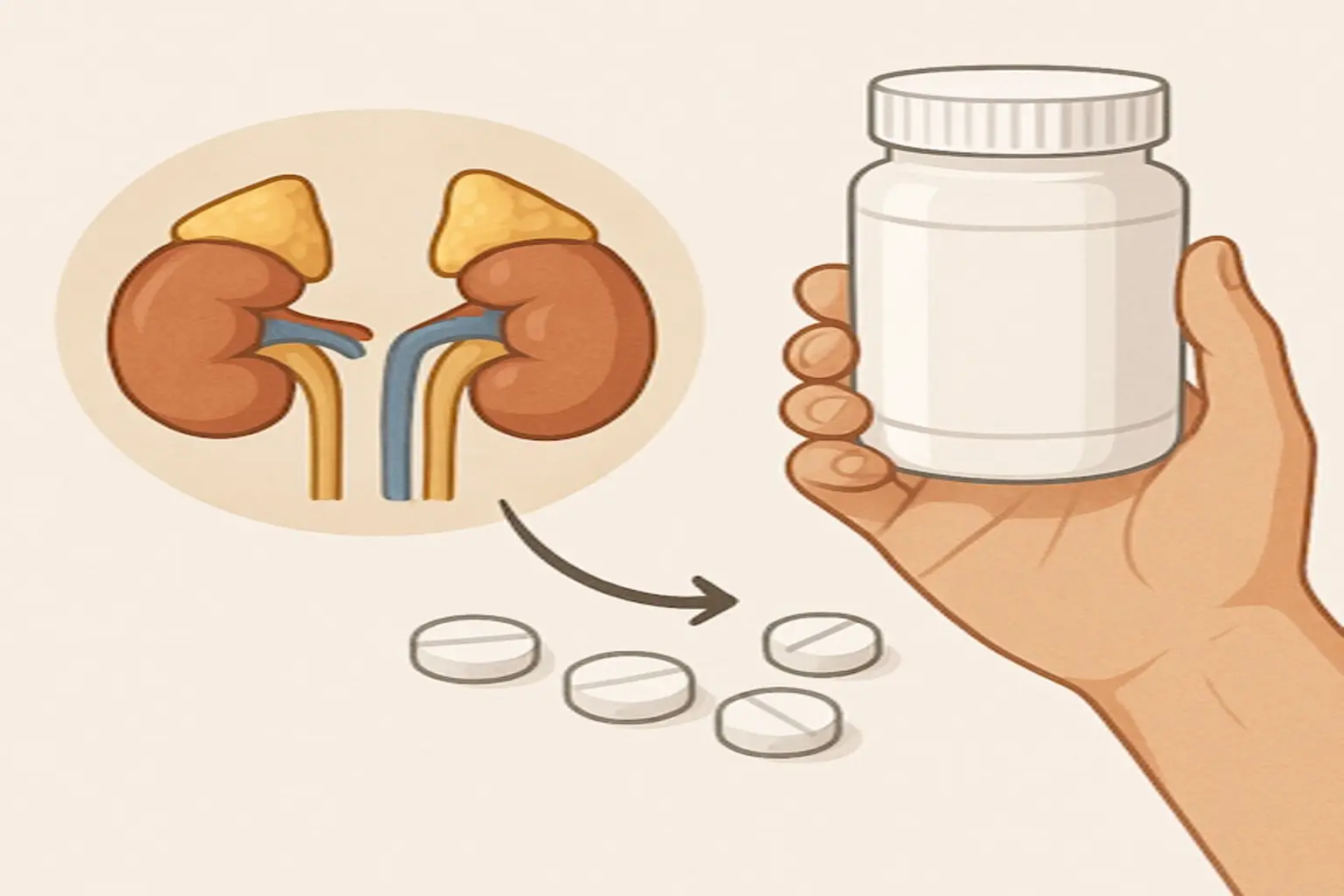
    Steroids, particularly glucocorticoids like prednisolone and dexamethasone, mimic cortisol, a hormone naturally produced by the adrenal glands. They reduce inflammation and suppress the immune system.

    Why long-term use can lead to dependence:

    • The body’s natural cortisol production decreases (HPA axis suppression)
    • Adrenal glands rely on the steroid medication
    • Abrupt discontinuation can cause adrenal insufficiency, a serious condition (King’s College Hospital NHS)

    ✅ Tip: Physical dependence is a natural physiological response to long-term steroid use, not addiction.


    Signs and Symptoms of Dependence

    Dependence can manifest physically, emotionally, or cognitively.

    Physical Signs

    • Fatigue, especially in the mornings
    • Muscle weakness or joint pain
    • Unexplained weight changes
    • Sensitivity to stress
    • Discomfort when a dose is missed

    Emotional and Cognitive Signs

    • Mood swings, irritability, or anxiety
    • Difficulty concentrating (“brain fog”)
    • Feeling low or depressed when reducing the dose

    ✅ Tip: Keeping a symptom journal helps you and your healthcare provider monitor changes and adjust your treatment plan.


    Risks and Complications

    Adrenal Insufficiency

    Abruptly stopping steroids can trigger adrenal insufficiency. Symptoms include:

    • Severe fatigue or dizziness
    • Nausea or vomiting
    • Low blood pressure or fainting
    • Confusion or rapid heartbeat

    ⚠️ The risk can last up to 12 months after your last dose (King’s College Hospital NHS)

    Other Risks

    • Bone thinning (osteoporosis)
    • High blood sugar / diabetes risk
    • Hypertension
    • Increased infection risk
    • Mood changes such as anxiety, depression, or sleep disturbances (NHS)

    💡 Tip: Regular check-ups and lab tests are essential for early detection of complications.


    Managing Steroid Dependence

    Work Closely with Your Healthcare Provider

    Tapering Schedules

    Gradually reducing steroids allows adrenal glands to resume normal hormone production.

    ⚠️ Callout: Never stop steroids abruptly. Tapering safely under medical supervision is essential (NHS)

    Tapering tips:

    • Follow the schedule provided by your doctor
    • Report new or worsening symptoms immediately
    • Be patient; tapering may take weeks or months

    Lifestyle Adjustments

    • Nutrition: Adequate calcium and vitamin D for bone health
    • Exercise: Weight-bearing exercises to strengthen bones
    • Stress management: Relaxation, meditation, or yoga
    • Sleep hygiene: Maintain a consistent sleep routine

    Monitoring Health

    • Keep a daily journal of symptoms and energy levels
    • Share updates with your healthcare provider for personalized adjustments

    Support and Resources

    Helpful resources include:

    • Patient support groups for long-term steroid therapy
    • Educational websites on adrenal health and steroid management
    • Mental health counseling to manage anxiety and mood swings
    • Guidance for caregivers assisting with medication and monitoring (Cheshire & Merseyside Formulary)

    ✅ Tip: Community support can normalize your experience and provide practical coping strategies.


    Conclusion

    Living with steroid dependence is manageable with knowledge, planning, and support.

    Key Takeaways:

    • Dependence is physiological, not a weakness or addiction
    • Gradual tapering under supervision prevents adrenal insufficiency
    • Lifestyle adjustments improve overall well-being
    • Regular communication with your healthcare team is essential

    💪 Encouragement: With proper care and support, it’s possible to maintain your health, control symptoms, and live a full life while on long-term steroid therapy.

  • Locked Out of iCloud: My Experience After Switching to Android

    Locked Out of iCloud: My Experience After Switching to Android

    Back in the day, I was an iPhone user from the very beginning. I had the original iPhone and enjoyed being part of the Apple ecosystem. But in 2017, I made the switch to Android and have been using it ever since. For years, I didn’t think much about my old Apple account until recently.

    Trying to Log Back In

    Out of curiosity (and a little nostalgia), I decided to log back into my iCloud account. I thought it would be simple: enter my Apple ID, reset the password, and be on my way. Instead, I was met with a shock — my account was locked.

    Requesting Account Reactivation

    I followed the instructions and contacted Apple Support to request account reactivation. After waiting, I finally received an email back. Here’s the response:

    Apple
    Your Apple Account Request
    Dear [Redacted],

    We have reviewed your request, and access to your account ([Redacted]) has been denied.

    Sincerely,
    Apple

    That was it. No clear explanation, no next steps, just a flat denial.

    Frustrations with Apple’s System

    This experience has left me with a few frustrations:

    • Apple makes it very difficult to recover old accounts, especially if you’ve been outside their ecosystem for years.
    • Important data (like photos, notes, or contacts) is effectively locked away forever.
    • Customer support responses feel cold and final, with no real help offered.

    Why This Matters

    For many people, an iCloud account isn’t just an email address — it can hold years of memories, backups, and personal information. Being locked out means losing access to a part of your digital history.

    Key Takeaways

    • If you switch away from Apple, don’t abandon your iCloud. Keep logging in occasionally to make sure it stays active.
    • Update recovery information regularly. Old phone numbers and emails can make reactivation impossible.
    • Back up your data outside of iCloud before leaving Apple’s ecosystem.

    Final Thoughts

    I loved my original iPhone and I still respect Apple’s products, but my experience shows a serious downside of their closed ecosystem. Once you’re locked out, it can feel like there’s no way back in.

    For me, the door to my old digital life has been closed — permanently. And all I got was a short email saying: access denied.

    They call it iCloud, but for me it feels more like a storm cloud hovering over my head. ☁️

  • My Ultimate Five Guys Order for Two: Double the Flavor, Double the Fun

    My Ultimate Five Guys Order for Two: Double the Flavor, Double the Fun

    Introduction

    There’s something deeply satisfying about crafting the perfect fast-food order. For me, that masterpiece came together at Five Guys. With a mix of bold flavors, satisfying textures, and a touch of controlled chaos, here’s a breakdown of the order that made my day.


    🥪 Sandwich #1: BC-DEL (Bacon Cheeseburger Deluxe)

    A fully-loaded burger that doesn’t hold back.

    Toppings:

    • Onion, Lettuce, Pickle, Tomato
    • Strips of crispy bacon

    Extras:

    • Grilled Onions
    • Sautéed Mushrooms
    • Jalapeños
    • Green Peppers
    • BBQ Sauce (bold and smoky)

    This burger is a tower of flavor crisp veggies meet spicy jalapeños, all tied together with a BBQ glaze. It’s messy. It’s bold. It’s absolutely worth it.


    🧀 Sandwich #2: 1CB-DEL (Single Cheeseburger Deluxe)

    The “classic with character” option.

    Toppings:

    • Lettuce, Tomato
    • Ketchup and Mustard

    Simplicity can be just as powerful. This one’s a perfect balance of creamy cheese, juicy beef, and those nostalgic flavors you grew up loving.


    🍟 Sides & Treats

    • Lgunn-DEL: Large fountain drink to wash it all down. Cold. Fizzy. Perfect.
    • gFry-DEL: A generous serving of Five Guys’ legendary fries—skin-on, golden, and perfectly salted.
    • Milkshake-DEL: Creamy, dreamy, and a must-have for the grand finale.

    Conclusion

    Food is more than fuel it’s an experience. My Five Guys order is my signature dish: hearty, spicy, a little wild, and always satisfying. What’s yours?

  • Embracing the Unexpected: Lessons from a Journey Off the Beaten Path

    Embracing the Unexpected: Lessons from a Journey Off the Beaten Path

    Introduction

    Life often feels like a well-plotted map, with clear destinations and familiar routes. But sometimes, the most memorable experiences come from detours and unplanned journeys. In this post, we’ll dive into why embracing the unexpected can be transformative.

    1. The Value of Spontaneity

    Spontaneity injects excitement into our daily routines. When we stop over-planning and allow room for surprises, we open ourselves to moments that defy expectations like stumbling upon a hidden café in a foreign alley or making a friend in an unlikely place.

    2. Overcoming Fear

    Fear of the unknown can hold us back, but every unexpected turn is an opportunity to build resilience. Tackling small adventures, like exploring a new neighborhood or trying a different cuisine, can gradually build confidence for bigger leaps.

    3. Finding Beauty in Serendipity

    Serendipitous moments those happy accidents remind us that life’s beauty often lies in the unplanned. From a rain shower turning into a rainbow reveal, to a chance conversation that sparks inspiration, these instances enrich our stories.

    Conclusion

    The next time you face a fork in the road, consider taking the path less traveled. Embrace the unexpected, and you might just discover a part of yourself you never knew existed.

  • The Ultimate Tex Mex Subway Creation: A Flavor Explosion! 🌯🔥

    The Ultimate Tex Mex Subway Creation: A Flavor Explosion! 🌯🔥

    🥖 The Build: Tex Mex Footlong

    • Bread: Italian Herbs & Cheese (because flavor starts from the base)
    • Toasted: Yes
    • Protein Power:
      • Double Meat 🥩
      • Bacon 🥓
      • Poached Egg 🥚

    🥗 The Veg Game

    • Pickles 🥒
    • Peppers 🫑
    • Red Onions 🧅
    • Jalapeños 🌶️
    • Sweetcorn 🌽

    🥫 The Sauce Situation

    • Honey Mustard 🍯
    • Salsa 🌶️

    🧅 Crunch Factor

    • Crispy Onions

    🥤 The Drink

    • Dr Pepper 🥤

    💬 Final Thoughts

    This combo is spicy, savory, sweet, and crunchy in all the right ways. If you’re into bold flavors and love loading up your sandwich with everything extra, give this one a try. It might ruin all other Subway orders for you. 😋

  • 5 Practical Ways to Boost Your Productivity (Without Burning Out)

    5 Practical Ways to Boost Your Productivity (Without Burning Out)

    Introduction

    In today’s fast-paced world, staying productive can feel like an uphill battle. Between constant notifications, endless to-do lists, and competing priorities, it’s easy to feel like you’re always busy but not actually getting much done.

    The truth is, productivity isn’t about doing more. It’s about doing the right things, at the right time, with the right mindset.

    In this post, I’ll break down five practical, proven strategies that you can start using today to boost your productivity and take back control of your time without burning yourself out.


    1. Set Clear Goals (and Make Them SMART)

    We’ve all been there sitting down to work with good intentions, only to waste time figuring out what to do next. That lack of clarity kills momentum.

    That’s where SMART goals come in:

    Specific: What exactly needs to be done
    Measurable: How will you track progress
    Achievable: Is it realistic
    Relevant: Does it actually matter
    Time-bound: When will it be done

    Clear goals remove decision fatigue. Instead of constantly thinking “what should I do next?”, you already know.

    Example:
    Instead of saying “I want to get better at my job,” try “I’ll spend 30 minutes every weekday learning a new skill related to my role.”

    Pro tip: Break big goals into small, actionable steps. Progress feels faster, and you’re more likely to stay consistent.


    2. Prioritize Like a Pro

    Not all tasks are equal, but we often treat them that way.

    The result is spending hours on low-impact work while important tasks get delayed.

    A simple way to fix this is the Eisenhower Matrix:

    Urgent and Important: Do it now
    Important but Not Urgent: Schedule it
    Urgent but Not Important: Delegate it
    Neither: Eliminate it

    This method helps you focus on impact instead of just staying busy.

    Pro tip: At the start of each day, pick your top three priorities. If you complete those, the day is a success.


    3. Take Breaks (Yes, Really)

    It might sound counterintuitive, but working non-stop actually makes you less productive.

    Your brain needs time to rest and reset.

    A simple method to try is the Pomodoro Technique:

    Work for 25 minutes
    Take a 5-minute break
    After four cycles, take a longer 15 to 30 minute break

    Taking breaks helps prevent burnout, improves focus, and keeps your energy levels steady.

    During breaks, step away from your screen. Stretch, grab some water, or take a short walk.

    Pro tip: Avoid social media during breaks, it doesn’t refresh your mind as much as you think.


    4. Minimize Distractions (Your Phone Can Wait)

    Distractions are one of the biggest productivity killers.

    Every notification or quick check breaks your focus and makes it harder to get back into your work.

    Here are a few simple ways to reduce distractions:

    Turn on Do Not Disturb during focused work
    Keep your phone out of reach
    Close unnecessary tabs and apps
    Limit checking emails and social media to set times

    It can take around 20 to 25 minutes to fully refocus after a distraction, so protecting your attention is critical.

    Pro tip: Create a consistent workspace with minimal clutter to help your brain associate it with focus.


    5. Don’t Forget Sleep and Exercise

    Productivity isn’t just about what you do at your desk. It’s also about how you take care of yourself.

    Sleep:
    Aim for 7 to 9 hours each night
    Improves focus, memory, and decision-making

    Exercise:
    Even 20 minutes of movement can boost your mood and mental clarity

    If you’re constantly tired or stressed, no productivity system will work properly.

    Think of sleep and exercise as the foundation that supports everything else.


    Conclusion: Small Changes, Big Impact

    You don’t need to completely change your life to become more productive.

    Start small and stay consistent.

    Focus on:
    Setting clear goals
    Prioritising effectively
    Taking breaks
    Reducing distractions
    Looking after your health

    These small improvements can lead to big results over time.


    Final Thought

    Productivity isn’t about doing everything.

    It’s about doing what matters most, efficiently and consistently, without burning out.

    So here’s your next step:

    Pick one tip from this post and try it today.

    You might be surprised how much of a difference it makes.

  • The UK Online Safety Act 2025: A New Era of Internet Regulation

    The UK Online Safety Act 2025: A New Era of Internet Regulation

    Introduction

    The UK Online Safety Act 2023 marks one of the most comprehensive attempts by any nation to regulate online content and platform accountability. Enacted on October 26, 2023, and fully enforced starting July 25, 2025, the Act introduces a “duty of care” for online services operating in the UK.

    Supported by child advocacy groups like the NSPCC and cautiously endorsed by others such as the Samaritans, the Act aims to make the UK “the safest place in the world to be online.” But with this ambition comes significant controversy particularly around privacy, encryption, and free expression.


    What is the Online Safety Act?

    The Online Safety Act imposes strict duties on platforms to reduce exposure to illegal and harmful content—especially for children.

    Who Must Comply?

    The Act applies to:

    • Platforms with a significant number of UK users
    • Services targeting the UK market
    • Sites accessible in the UK that pose a material risk of harm

    Covered Services

    • User-to-user platforms (e.g. social media, messaging apps, forums)
    • Search engines

    Key Duties

    • Risk Assessments:
      Regular evaluations of algorithmic and design risks related to illegal or harmful content.
    • Content Moderation:
      Platforms must detect and remove illegal material such as:
      • Child Sexual Abuse Material (CSAM)
      • Terrorist content
      • Fraud
      • Harmful content for minors (e.g. self-harm, eating disorders, pornography)
    • Age Verification (Effective July 25, 2025):
      Platforms with adult content must use “highly effective” age assurance technologies like:
      • Facial age estimation
      • Photo ID verification
      • Digital identity wallets
    • Transparency and Reporting:
      • Clear terms of service
      • User-friendly reporting tools
      • Annual transparency reports on content moderation and algorithm impact

    Enforcement: The Role of Ofcom

    The Office of Communications (Ofcom) is the primary enforcer of the Act. It is empowered to:

    • Impose Fines:
      Up to £18 million or 10% of global annual revenue, whichever is higher
      (e.g. Meta could face up to $16 billion)
    • Restrict Services:
      Seek court orders to block non-compliant platforms or cut off business relationships via payment providers
    • Conduct Investigations:
      Request data, audit companies, and hold senior managers criminally liable for failing to cooperate
    • Issue Codes of Practice:
      • Illegal harms and child safety codes published
      • Public consultations scheduled (Spring 2025) for updating content detection protocols

    Progress So Far

    As of March 2025, Ofcom:

    • Completed consultations on illegal harms and child safety
    • Laid the illegal harms code before Parliament in December 2024
    • Initiated probes into 11 companies
    • Plans further enforcement against pornography platforms lacking age verification

    Support and Criticism

    Support

    • NSPCC & IWF (Internet Watch Foundation):
      Praise the Act’s strong stance on child protection and proactive tools like Image Intercept to combat CSAM
    • Families & Advocates:
      The family of Molly Russell, a teen who died after viewing harmful content, sees the law as a long-overdue measure
    • New Criminal Offenses Introduced:
      • Cyberflashing
      • Intimate image abuse
      • Malicious disinformation intended to cause harm

    Criticism

    • Privacy Risks:
      • Critics (e.g., EFFCiaran Martin, former NCSC head) argue the law may compromise end-to-end encryption
      • Potential for mass surveillance if private messages are scanned
    • Free Speech Concerns:
      • Groups like Open Rights Group label it a “censor’s charter
      • Vague definitions of “harm” may result in over-moderation
    • Complexity & Overhead:
      • Article 19 calls the Act “complex and incoherent”
      • Molly Rose Foundation says it doesn’t go far enough in addressing depressive content or dangerous online trends
    • Impact on Smaller Services:
      • Rising compliance costs have led some small platforms to shut down
      • Critics fear large tech firms will be able to absorb the burden, deepening industry consolidation

    Future Outlook

    The Online Safety Act lays the groundwork for a safer digital space, but much will depend on:

    • Ofcom’s ability to enforce the law consistently
    • Public engagement and feedback
    • Industry innovation to meet new standards without violating rights

    Technology Secretary Peter Kyle has hinted at further updates—potentially including:

    • Screen time limits
    • Stricter live-streaming rules

    Dan Milmo, global technology editor at The Guardian, says the “true test will be whether the online experience becomes safer and more comfortable by mid-2026.”


    Conclusion

    The UK Online Safety Act 2023 is a major legislative milestone. It reflects growing public demand for accountability from tech platforms—but also exposes deep tensions between digital safety, individual rights, and platform responsibility.

    As enforcement begins and further reforms are debated, this law will likely set precedents not only for the UK but for global internet governance.


    Sources

  • Why I Built My Blog from Scratch Instead of Using WordPress

    Why I Built My Blog from Scratch Instead of Using WordPress

    Most people launching a blog turn to platforms like WordPress, Wix, or Squarespace. They’re fast, flexible, and beginner-friendly.

    But I didn’t do that.

    Instead, I built this blog from the ground up using Node.jsExpressMongoDB, and EJS templates. No drag-and-drop editor. No plugins. Just code.

    Here’s why I chose the harder road and why I’d do it again.


    ⚙️ Total Control

    WordPress gives you themes and plugins, but they can become limiting fast. I wanted full control over:

    • The URL structure
    • The way data is stored and fetched
    • How posts are rendered
    • The look and feel of everything

    Custom code gave me that power.


    🧠 I Wanted to Learn

    This blog started as a project to sharpen my skills. By building each part myself routes, models, views I learned how real apps work under the hood. There’s no better tutorial than solving your own problems in real time.


    🧱 Performance Matters

    A static site or custom backend like mine loads much faster than a bloated WordPress setup with 20+ plugins. I only load the scripts and styles I actually use. No unnecessary bloat.


    🧪 Custom Features? No Problem.

    Want to format large numbers as 1K1.2M, etc.? I just dropped in a small NumberFormatter.js module. Done.

    Need to sort articles by creation date and render them with custom logic? Easy thanks to Mongoose and Express.

    Try doing that in WordPress without a plugin (or two, or three).


    ✨ Minimal Dependencies, Max Flexibility

    The only stack I needed:

    • Node.js
    • Express.js
    • MongoDB + Mongoose
    • EJS
    • A few static assets (CSS, JS)

    Everything else was handcrafted, exactly how I wanted.


    😎 The Result?

    A blog that feels mine. Not just in content, but in structure, performance, and personality.

    Would I recommend this approach to everyone? No. But if you’re a developer or someone who loves to learn, building your blog from scratch might just be the most satisfying project you ever take on.


    Want a breakdown of how each part works? Check out my other post: Inside the Code: A Developer’s Guide to My Node.js Blog.