Category: Technology

  • Slayer Tally A Fast, Minimal Tally Counter for Tracking Habits, Tasks, and Daily Progress

    Slayer Tally A Fast, Minimal Tally Counter for Tracking Habits, Tasks, and Daily Progress

    If you’re looking for a lightweight tally counter, a habit tracker, or a simple productivity tool that doesn’t drown you in menus, subscriptions, or ads, SlayerTally is built for you. It’s a clean, fast, offline tally tracker designed for creators, developers, students, and anyone who wants a frictionless way to measure progress.

    What Is SlayerTally?

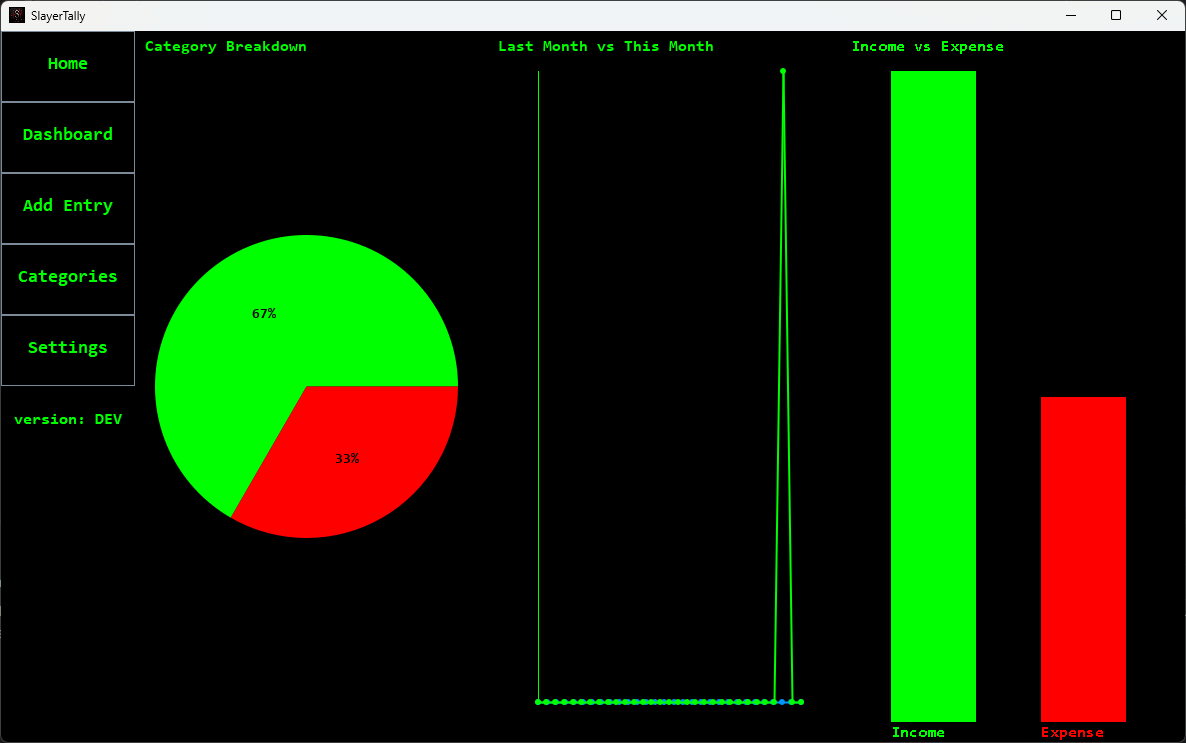
    SlayerTally is a minimalist tally tracking app that lets you quickly count reps, habits, tasks, sessions, or any metric you want to measure. It’s built for speed, clarity, and zero‑distraction productivity — perfect for people who want a tool that works instantly without setup or complexity.

    Key Features

    • Instant tally tracking — Add or subtract counts with no lag
    • Custom categories — Track workouts, study blocks, code commits, sales, uploads, or anything else
    • Clean dark UI — Easy on the eyes, built for long‑term use
    • Local data storage — Your tallies stay on your device
    • Lightweight Java engine — Runs fast on any machine
    • No subscriptions — One‑time purchase, lifetime use

    Why SlayerTally Stands Out

    Most tally apps try to be habit trackers, planners, journals, and dashboards all at once. SlayerTally focuses on speed, clarity, and momentum. It’s designed for people who want to track progress without being slowed down by bloated interfaces or cloud‑locked systems.

    If you want a simple tally counter that just works, SlayerTally is the tool.

    Who Uses SlayerTally?

    • Developers tracking daily commits
    • Students tracking study sessions
    • Gym users counting sets or workouts
    • Creators tracking uploads or content cycles
    • Small business owners tracking sales or tasks
    • Anyone building habits or routines

    If your workflow benefits from quick, repeatable tracking, SlayerTally fits perfectly.

    SEO Keywords Integrated

    This post is optimised for: tally counter app, habit tracker, daily progress tracker, minimal productivity tool, offline tally app, Java productivity app, simple counter app, task tracking tool, lightweight habit tracker, momentum tracker.

    Price & Download

    SlayerTally is available for a one‑time purchase of £8 on Ko‑fi.
    👉 Get SlayerTally on Ko‑fi

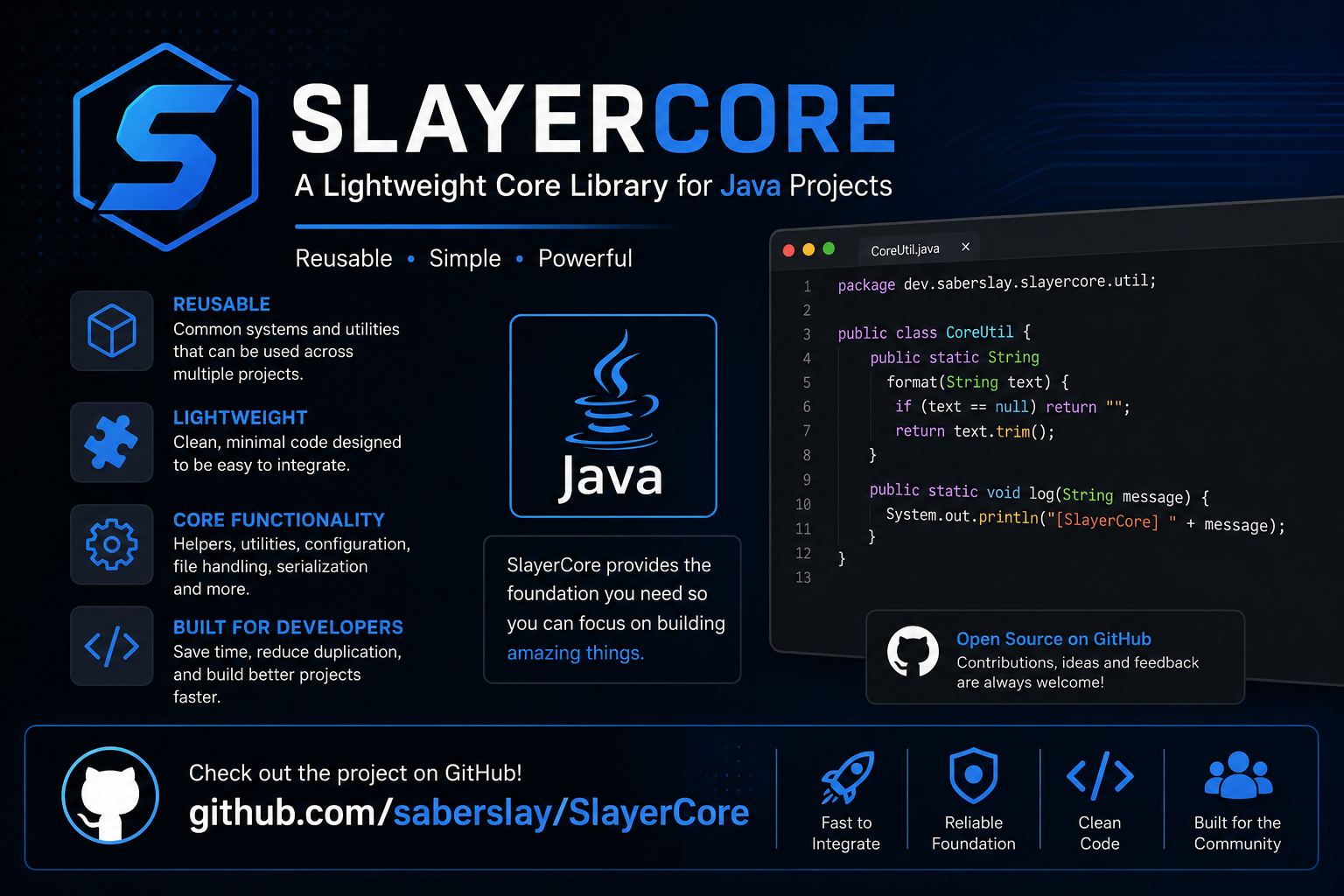
  • Introducing SlayerCore: A Lightweight Core Library for Java Projects

    Introducing SlayerCore: A Lightweight Core Library for Java Projects

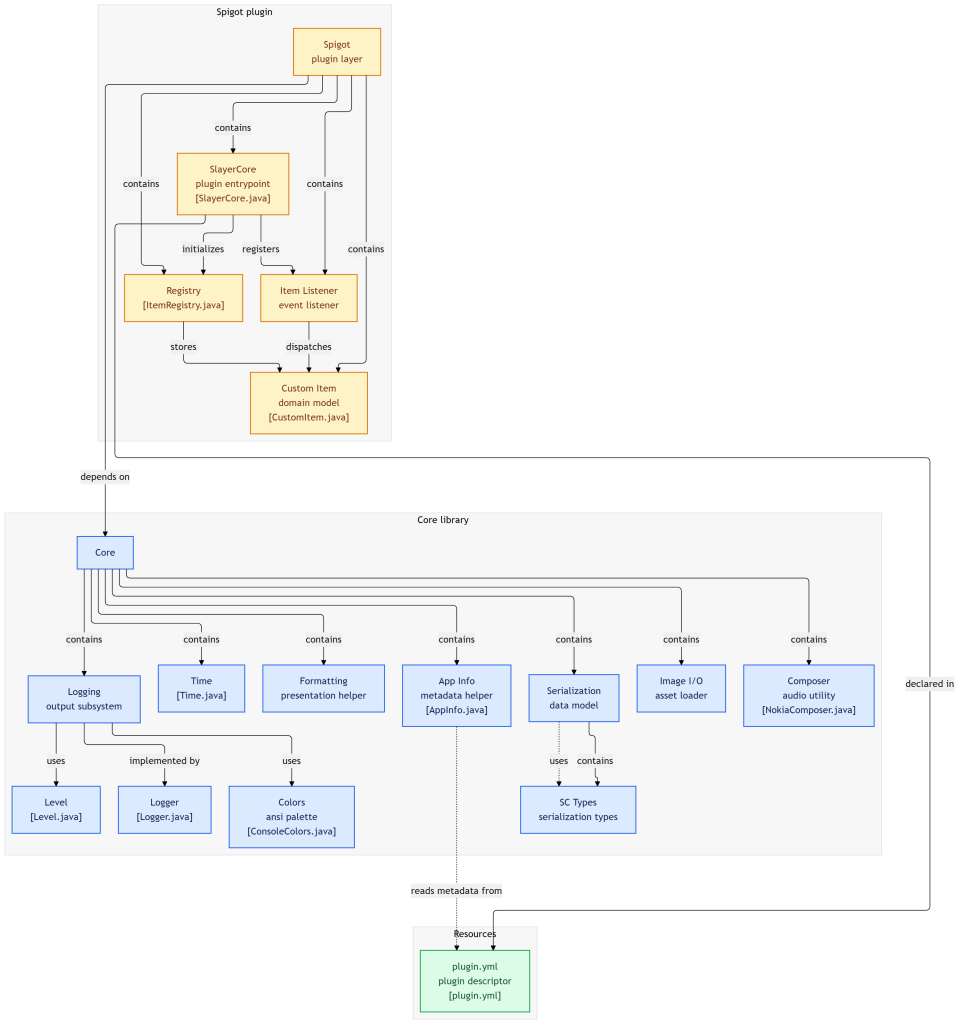
    I’ve been working on something called Slayer Core a reusable Java core library designed to make development cleaner, easier, and more consistent across projects.

    If you’ve ever found yourself rewriting the same utility systems, helpers, or common code every time you start a new Java project, that’s exactly the kind of problem Slayer Core aims to solve.

    You can check it out here:

    SlayerCore on GitHub


    🚀 What Is Slayer Core?

    Slayer Core is a Java library built to provide reusable core functionality for projects.

    Instead of rebuilding the same systems repeatedly, Slayer Core acts as a foundation layer that can be shared across multiple applications.

    The goal is simple:

    Write once, reuse everywhere.


    ⚙️ Why I Made It

    One of the most frustrating things when developing software is constantly recreating:

    • Utility classes
    • Configuration systems
    • File handling
    • Serialization logic
    • Common helpers and reusable systems

    After enough projects, you start noticing the same patterns appearing again and again.

    Slayer Core exists to centralise those common systems into one place, making future development quicker and easier to maintain.


    🧩 Designed for Reusability

    The idea behind Slayer Core is flexibility.

    Rather than being tied to one specific type of project, it’s intended to work as a reusable core for things like:

    • Game development
    • Desktop applications
    • Tools and utilities
    • General Java projects

    This means projects can share the same core logic instead of duplicating code across repositories.


    💻 Open Source & Available on GitHub

    SlayerCore is fully available on GitHub for anyone interested in seeing how it works or following development.

    Whether you’re curious about the code structure, want inspiration for your own libraries, or just want to see what I’m building, it’s there to explore.

    View SlayerCore Repository


    🔮 What’s Next?

    Like most development projects, SlayerCore is evolving over time.

    Planned improvements include:

    • More reusable systems
    • Cleaner APIs
    • Better documentation
    • Expanded functionality for future projects

    The aim is to build something that becomes a solid backbone for future Java development.


    🧾 Final Thoughts

    Every developer eventually ends up building their own “core library” in one form or another.

    Slayer Core is mine.

    It’s designed to reduce repetition, improve consistency, and speed up development by keeping reusable functionality in one place.

    And this is only the beginning.

  • The Problem With Digital ID and Age Verification Laws

    The Problem With Digital ID and Age Verification Laws

    There’s been a growing wave of concern around digital ID systems, age verification laws, and online privacy. Governments across the world — including the UK and EU — are pushing forward with new regulations aimed at making the internet “safer.”

    But in doing so, they may have created a much bigger problem.


    🔐 What Is GDPR and Why Does It Matter?

    The General Data Protection Regulation (GDPR) is a privacy law introduced in 2018 to protect user data.

    Its core principles include:

    • Transparency about how data is collected
    • Limiting how much data companies can gather
    • Giving users control over their personal information
    • The right to delete your data

    After Brexit, the UK adopted a similar framework known as UK GDPR.

    In theory, these laws are designed to protect users. In practice, new systems may be undermining them.


    🪪 The Rise of Digital ID and Age Verification

    New legislation — including the **Online Safety Act 2023 — is introducing stricter age verification requirements.

    At the same time, the EU is rolling out its own digital ID and verification systems.

    These systems aim to:

    • Verify user age for online content
    • Restrict access to certain platforms or media
    • Provide a unified digital identity for citizens

    On paper, this sounds reasonable. But the implementation raises serious concerns.


    ⚠️ You Can’t Opt Out

    One of the biggest issues is lack of user control.

    In some proposed systems:

    • Your data may exist even if you don’t actively use the app
    • You may not be able to fully delete your information
    • Opting out completely isn’t always possible

    This directly conflicts with GDPR’s principle of data ownership and the right to erasure.


    📊 Data Overcollection Risks

    Another major concern is how much data these systems might require.

    To verify age, some platforms may request:

    • Passport or driving licence
    • Banking details
    • Biometric data (like facial recognition)

    Under GDPR, only the minimum necessary data should be collected.

    But when multiple services integrate with one system, the definition of “necessary” becomes unclear — and often controlled by corporations, not users.


    👶 The Problem With Underage Users

    Age verification laws also introduce complications for younger users.

    Under GDPR:

    • Children aged 13–16 require parental consent for data processing

    However, real-world behavior doesn’t always match legal expectations.

    In practice:

    • Many young users may bypass parental consent
    • Verification systems could be used without proper oversight
    • Responsibility shifts from parents to automated systems

    This creates both legal and ethical grey areas.


    ⚖️ A Legal Contradiction?

    The most surprising issue is a potential contradiction:

    • Laws are being introduced to enforce safety and verification
    • But those same systems may violate existing privacy laws

    This raises a serious question:

    Can a system designed to protect users also force them into giving up more data than legally allowed?


    💼 GDPR Violations Are Expensive

    If these systems are found to violate GDPR:

    • Companies could face massive fines
    • Governments could face legal challenges
    • Large-scale lawsuits could follow

    GDPR penalties are known to reach into the millions — or even billions — depending on the severity.


    🤔 What Happens Next?

    Right now, many of these systems are still new.

    That means:

    • Legal challenges are likely still coming
    • Public scrutiny is increasing
    • Governments may be forced to revise implementations

    Over time, we’ll likely see:

    • Court cases testing these systems
    • Changes to how data is handled
    • Possibly stricter enforcement of existing privacy laws

    🧾 Final Thoughts

    Digital ID and age verification systems aim to improve online safety — but they come with serious trade-offs.

    The core issue isn’t just security or regulation.

    It’s control.

    Who controls your data?
    Who decides what’s “necessary”?
    And can you truly opt out?

    Until those questions are clearly answered, the debate around digital identity is far from over.

  • The Possible Future of AI: What Comes Next?

    The Possible Future of AI: What Comes Next?

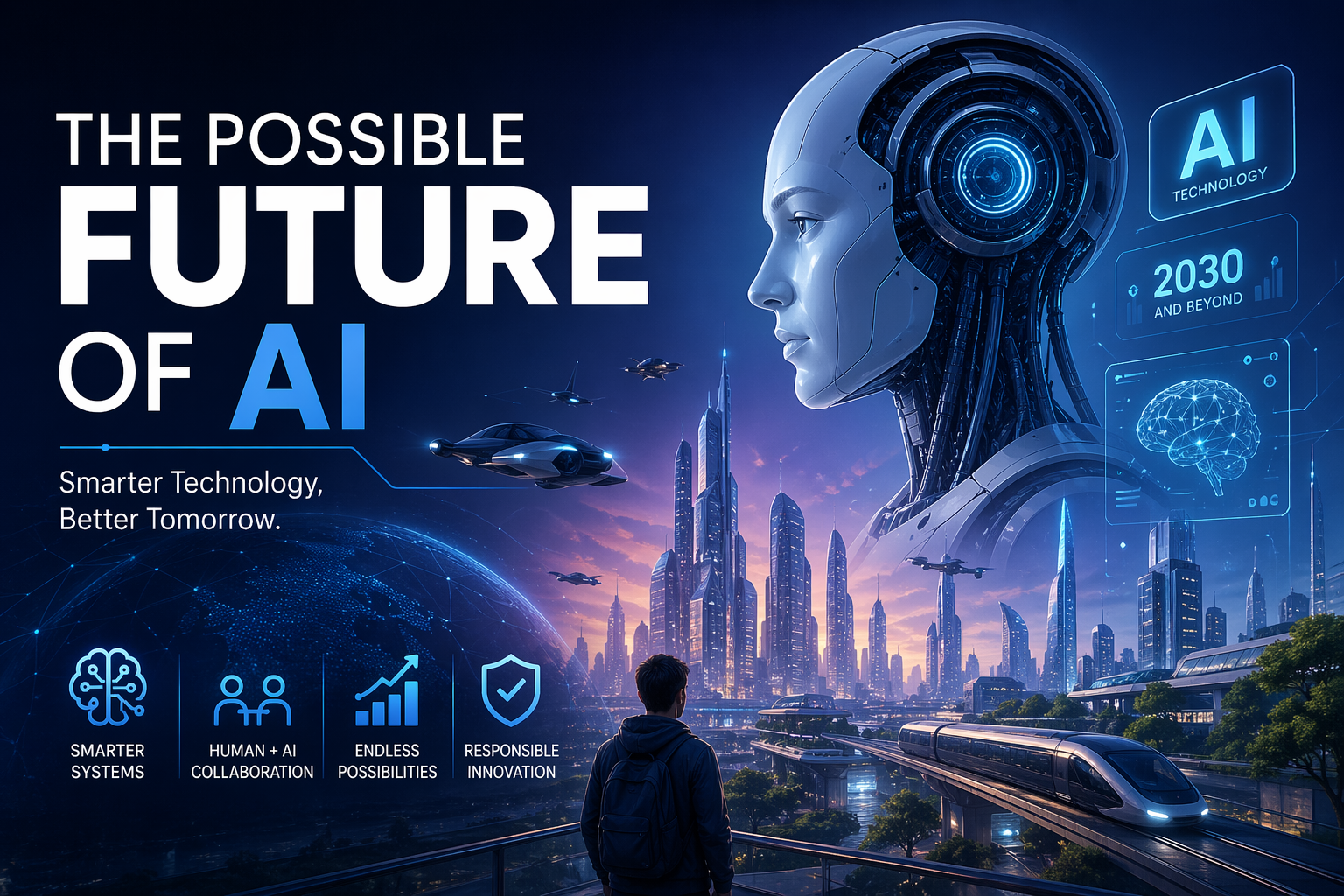
    Artificial Intelligence (AI) is no longer something from science fiction—it’s already shaping the way we live, work, and think. From chatbots and recommendation systems to self-driving technology and automation, AI is evolving rapidly. But what does the future actually look like?

    Let’s explore where things might be heading.


    🤖 AI Will Become More Human-Like

    AI is getting better at understanding language, emotions, and context. In the future, interacting with AI could feel almost identical to talking to a real person.

    We’ll likely see:

    • Smarter virtual assistants that truly “understand” you
    • AI that can hold long, meaningful conversations
    • More natural voice and facial recognition

    This could change customer support, education, and even friendships.


    💼 Jobs Will Change (Not Just Disappear)

    One of the biggest concerns about AI is job loss—but the reality is more complex.

    Yes, some jobs will be automated. But new roles will also emerge, such as:

    • AI trainers and supervisors
    • Automation specialists
    • Creative roles enhanced by AI tools

    The future of work will likely be about humans + AI working together, not competing.


    🧠 AI Could Transform Education

    Imagine having a personal tutor available 24/7—this is where AI is heading.

    Future possibilities include:

    • Fully personalised learning experiences
    • AI adapting lessons to your pace and style
    • Instant feedback on assignments

    Education could become more accessible and tailored than ever before.


    🌍 Smarter Cities and Everyday Life

    AI will likely play a huge role in how cities operate.

    We could see:

    • Traffic systems that eliminate congestion
    • Energy systems that optimise usage automatically
    • Safer environments through smart monitoring

    Even everyday tasks—shopping, cooking, managing your home—could become heavily automated.


    ⚠️ Ethical Challenges Will Grow

    With great power comes great responsibility. As AI becomes more advanced, so do the risks.

    Key concerns include:

    • Privacy and data security
    • Bias in AI decision-making
    • Over-reliance on machines

    Society will need strong rules and ethical guidelines to ensure AI is used responsibly.


    🚀 The Big Question: How Far Will It Go?

    Some experts believe AI could eventually reach or surpass human-level intelligence. If that happens, it could completely redefine what it means to work, create, and even think.

    But even without that extreme future, one thing is clear:

    AI is going to be a major part of our lives—and it’s only just getting started.


    Final Thoughts

    The future of AI isn’t just about technology—it’s about how we choose to use it. Whether it becomes a tool that empowers humanity or something more disruptive depends on the decisions we make today.

    One thing’s for sure:
    The future is coming fast—and AI is leading the way.

  • Inside ChatGPT: How Your AI Assistant Really Works

    Inside ChatGPT: How Your AI Assistant Really Works

    Inside ChatGPT: How Your AI Assistant Really Works

    Introduction

    You’ve probably chatted with me—maybe for help with writing, coding, brainstorming, or just curiosity. But what is ChatGPT, really? How do I work? And how do I know what I know?

    Let’s pull back the curtain.


    What Is ChatGPT?

    I’m ChatGPT, a conversational AI created by OpenAI. I’m built on the GPT-4 architecture—a type of large language model (LLM) trained to understand and generate human-like text.

    Think of me as a digital assistant trained on a massive amount of text, helping you get useful, creative, or technical responses to almost any prompt.


    How I Learn (and What I Don’t)

    I don’t “think” or “know” in the human sense. Instead, I:

    • Analyze patterns in language based on training data (books, websites, articles, etc.).
    • Predict the next word in a sentence to generate coherent responses.
    • Don’t browse the internet (unless tools are enabled), and I don’t have memory of past chats unless you activate it.

    So I’m not conscious, but I’m optimized to be useful, fast, and helpful.


    What I Can Do

    • ✍️ Write articles, poems, emails, or reports
    • 💬 Answer questions or explain complex topics simply
    • 🧠 Help with brainstorming or planning
    • 💻 Assist with coding and debugging
    • 🌍 Translate or localize text
    • 📚 Tutor in subjects like math, history, or science

    All in real-time, with natural language.


    What I Can’t Do (Yet)

    • ❌ Real-time fact-checking (unless I use external tools)
    • ❌ Browse the web (by default)
    • ❌ Remember personal info unless memory is on
    • ❌ Feel emotions or have beliefs

    I aim to be safe and respectful, and I’m constantly improved through user feedback.


    Why I Exist

    The goal of ChatGPT is simple:

    Make intelligence and creativity more accessible to everyone.

    Whether you’re a student, professional, hobbyist, or just curious—I’m here to help you learn, create, and explore.


    Final Thoughts

    I’m not magic or sentient—but I am the product of incredible engineering and human feedback. Think of me as a collaborative tool: the more thoughtful your questions, the better I can help.

    Got a question? Ask away. I’m always learning—with you.


    Made by OpenAI. Inspired by you.